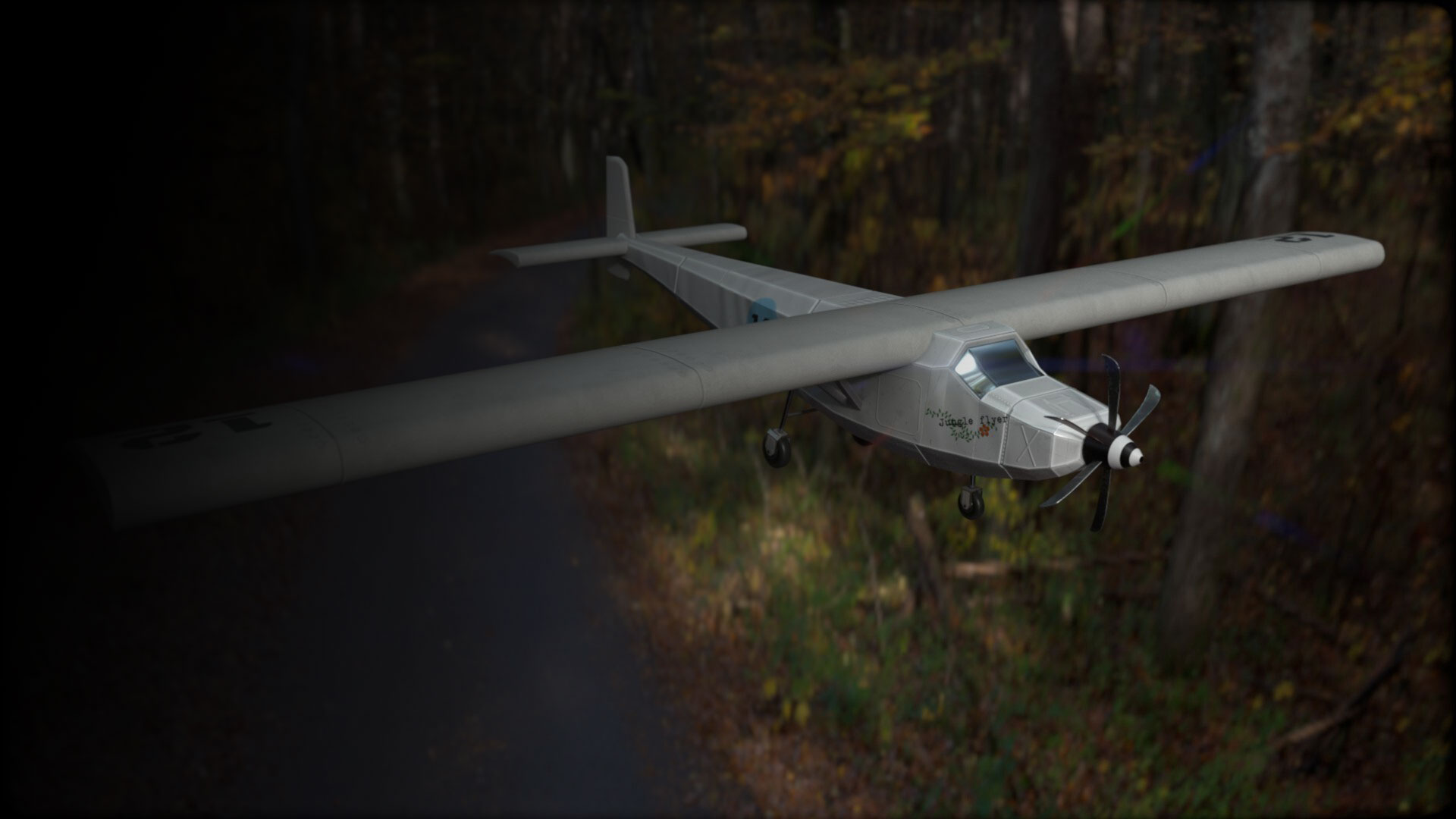
3D design and animation have emerged as powerful tools within media and communications, creating new immersive ways to visualise content across many industries.
But what exactly is 3D design and animation?
The design aspect refers to the creation of three-dimensional models, whilst animation involves bringing these models to life, using movement.
One of our talented 3D designers, Ash Mellor, sat down to give us an insight into this form of media. With over 10 years of experience within the industry, he’s developed a wealth of skills to help support different types of 3D projects. Here’s what he shared!
Why should organisations look to invest in 3D Design & Animation?
“Using 3D design within digital visualisations helps to bring an idea to life. It makes it easier for users to visualise that idea in a way that seems more real to them.
Simply put, the more realistic an object looks on the screen, the closer the user feels to it.
This results in an image that brings more connection, encouraging the user to be more engaged with content.
Furthermore, there are fewer limitations compared to media such as photography or static illustrations; 3D visualisations can be created at any scale and continually expanded upon.”
3D Design helps to communicate a specific message
“There are certain things that would be more suitable in 3D, such as if you were trying to show a specific location like a new building or landscape.
It gives you the opportunity to create a model of that 3D site, of which you can then animate and continue to expand upon over time. This may not be as detailed or intricate when done in 2D, due to the limitations in angles available and the overall scale.”
Applications of 3D Design for brands
“Often, people are unaware of what is available within 3D design and visualisation. As someone with only a small amount of knowledge on the topic, it can be difficult to dream something up in a 3D environment when you aren’t aware of the available options.
Take a 2D logo for example. This can be animated as is to provide it with a little bit of movement, but ultimately it is still 2D and flat on the screen. Once it is taken into 3D, it can be moved in different ways to explore it from any angle.
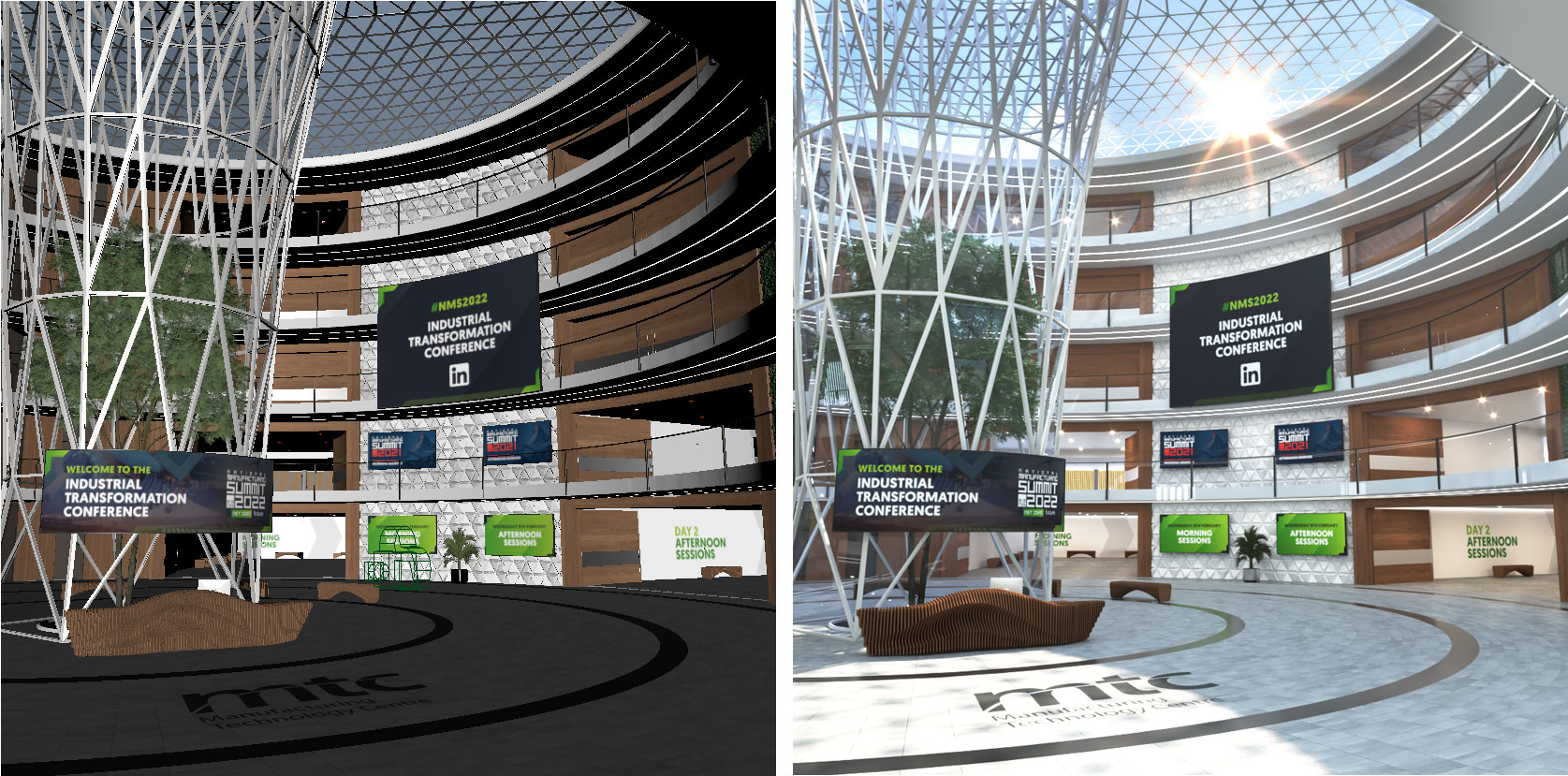
Creating 3D environments provides more longevity for the visualisation, as the environment can quite quickly grow to encompass more than what was originally in it. Extra rooms, extra subjects, lighting, and textures. As a company grows, so can their 3D environment.”
How can 3D Design be incorporated into your website?
“When it comes to graphical output, 3D designs can be placed anywhere you would put either a 2D image or video footage.
In terms of the different types of visualisations, you can start with small 3D logo idents and graphics, right up to a realistic 3D environment or an interactive game. The scope between the two is huge.
3D design can be incorporated into a website in several ways with a skilled designer and a little custom script. This might include using media visualisations in between content, or as part of the website itself where aspects are interactive as you move your cursor over them or as you scroll down the page.”
Can you have 3D design without animation?
“It is of course possible to create a 3D design as a static image. There are various examples of this within digital media where it conveys the message without animation needed.
However, the joy of adding animation is that everything with a scene can then be dynamic. This can include movement, items stretching or warping, colours changing and more – adding further interest for the user.
The animation gives it life.”
What does 3D animation involve?
“Due to the scope of possibility within 3D design, it isn’t possible to pinpoint exactly how much time this type of design work takes. It greatly depends on the visualisation being created.
There are several different layers to creating something in 3D, from storyboarding, to building the visualisation with specific movement, lighting and textures, to rendering.
As an example, logos may only take a few hours at a time with just one person working on it. Yet a virtual environment can take a few people months to get finished. It all depends on the context and the project idea.
Rendering could take anywhere from minutes, hours to days, depending on the size of the project. Once rendered, it must then go back together into the final program to be finalised.”
What is your favourite element of undertaking a 3D project?
“One of my favourite parts is when you are getting your renders set up, checking, and testing the 3D visualisation. You know you’ve got to get your textures in and your model in place, playing with the lighting and testing angles. Figuring out the final look and getting it ready is good fun, because you’ve done the hard work at this point and are just making sure it looks perfect.
The other part I like is when I’m modelling with customised textures. Rather than just dragging in a generic effect onto something, I have to go into a separate program and design the textures myself, drawing in the little details. It doesn’t always need to be done, but I enjoy doing that.”
Describe the most successful 3D projects in 3 words
“Beautiful, detailed and exciting!”
Closing thoughts
“Working with 3D media allows for a much greater level of realism and interactivity for users.
It’s clear that these techniques in design have transformed the world of digital creation, and as technology evolves we will continue to see this type of media implemented into more digital spaces.”
Looking to learn more about our 3D Design & Animation services? Contact us to discover how virtual environments can help to bring your organisation to life.
Share this