Bringing products to life: a conversation with Laura Durham, Senior 3D Artist at TMC
At its core, product visualisation is about precision – highlighting every curve, surface, and texture of a design. Yet when combined with the language of film – movement, light, and atmosphere – it can evolve into something far more emotional and immersive.
In this interview, we speak with Laura Durham-Turvey, TMC’s Senior 3D Artist, about her recent work for Nature’s Journey, a premium CBD brand inspired by the natural world, and how she used cinematic techniques to bring their story to life.
The creative output clearly promotes the CBD Oil beautifully, but can you walk me through the concept behind the piece? What inspired the location, the lighting, the audio – what story were you hoping to tell about the product?
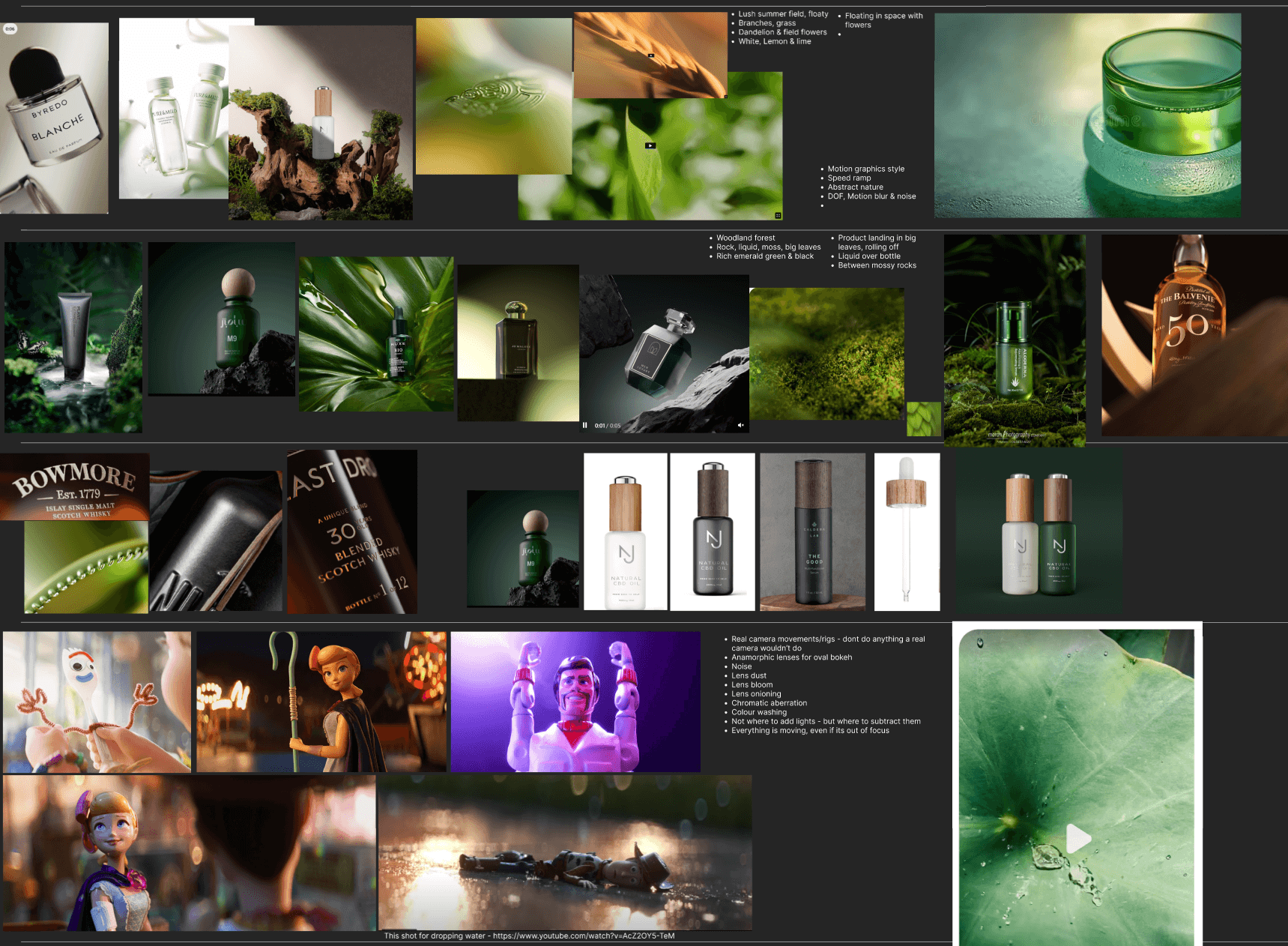
We wanted to reimagine how we saw Natures Journey and bring the elements of the brand into the animation. CBD is all about creating calm spaces and taking a moment of time for yourself, so we really played upon those feelings. We did look at a lot of perfume adverts as inspiration, as they create atmosphere well.
We had a few versions in mind, the idea of a summers field was one of our options, but ultimately, the lush nature of the rainforest and all that comes with it felt like the right direction for this animation. We wanted to invoke that scent in a lush place after the rain has fallen, only visually.
The rainforest looks incredibly lifelike – how did you achieve that level of realism? Were there any challenges in making it feel ‘believable’?
We were heavily inspired by filmic practices for this animation, what makes something, even a children’s animation feel real to us when its on screen? We looked at Toy Story 4 as a big source of inspiration, its shot so beautifully, so dreamy and looks so realistic even though we obviously know its not.
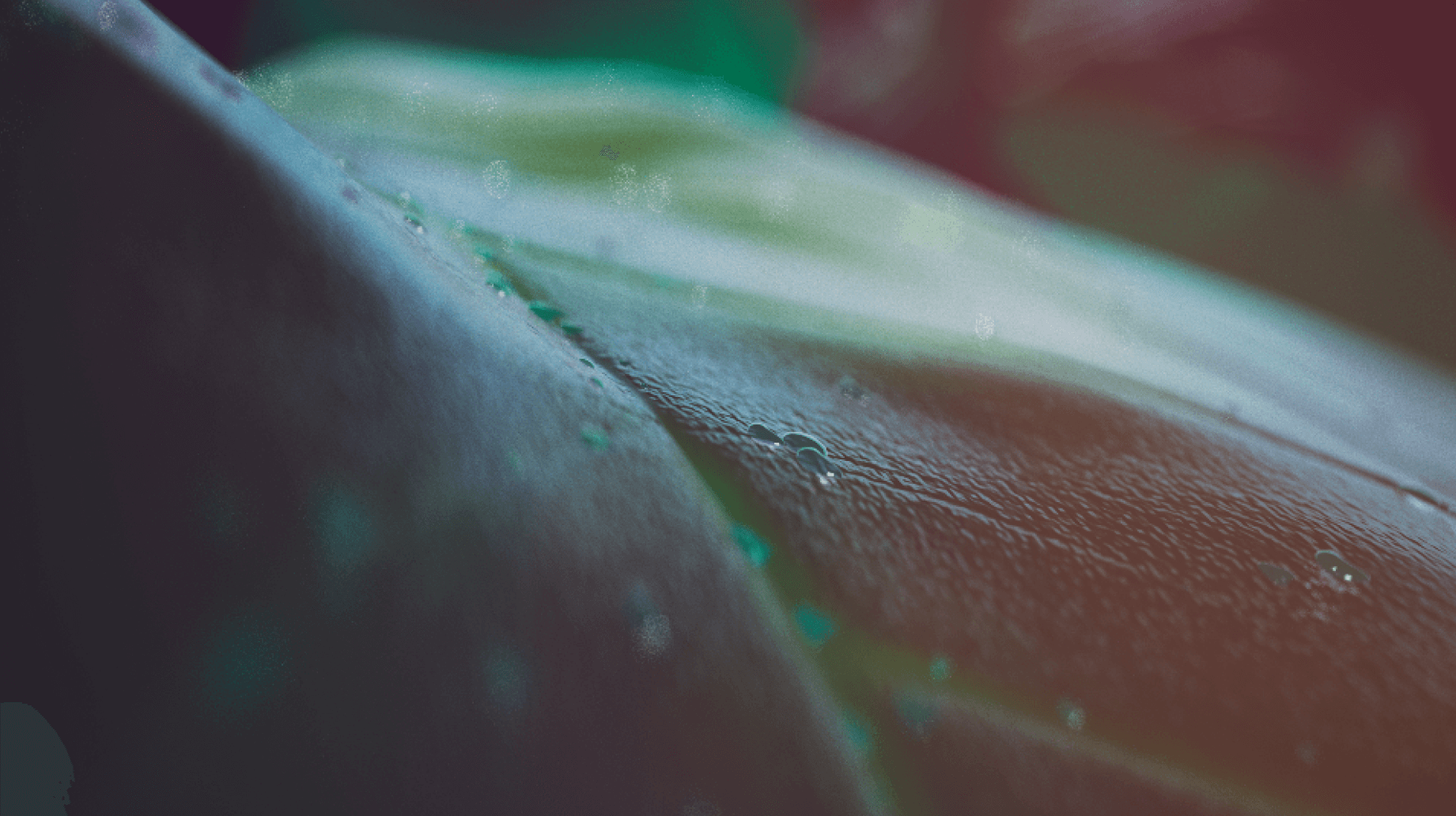
From here we studied some of Pixar’s frames and started creating a ‘shopping list’ of effects we wanted to explore. This included noise, lens dust, lens bloom and experimenting with the 3D Camera lenses for different bokeh shapes (lens blur shapes).
The idea behind this was to deliberately create imperfection in the animation, which ultimately ends up looking more realistic than perfection.

Did the project require you to use any new tools, or tools you typically wouldn’t use together?
Rather than using any new tools, we decided to play heavily on the ones we don’t get to push as much in day-to-day projects. Things like creating heavy depth of field and experimenting with lens types within 3D cameras. We generally use these on a daily basis for a lot of projects, but not to the extremes of this animation.
We did a lot of looking at real cameras and their lenses, how an expensive lens has a lot of aperture blades compared to inexpensive ones and tried to design our animation with the idea of it being shot with an oval cinematic, anamorphic lens – but obviously, entirely created in 3D rather than it being a film shoot.
Did you face any challenges during the project – did everything go to plan or did you come away with any valuable lessons following a disaster?
There was a lot that didn’t go to plan, but that’s fine because that’s how we learn and grow! Originally the animation was meant to be longer, with many more ‘ambient’ shots that didn’t involve the product, we also had a lot of ‘physics’ shots planned, think water running over the bottle, the bottle falling into a bed of leaves and drops of water into a pool. But ultimately, they either didn’t work out, or we got to a point where we decided they weren’t adding anything, so removed them.
I think the most valuable lesson for this project was “less is more”. But it’s always fun to experiment with different techniques and learn new things that we can bring to clients in future projects.

Between creating the original product visualisation and this newer format, how do you feel your skills have evolved?
Even though we used a lot of techniques that we already know, they weren’t used on the original product visualisation, so this project was about pushing those techniques even further and seeing how we can apply them to an animation.
Finally, what would you like the viewer to ‘think, feel, and do’ after watching the piece?
I would hope that they felt a sense of calm, a moment to refresh and be surrounded in the mystery of the rainforest. And of course, we wanted to take them on a journey, pun intended!
Share this