
There is a particular kind of confidence that comes from feeling prepared.
Before travelling to support the European Society of Cardiology (ESC) Press Office at their 2026 Congress in Munich, I had prepped for almost every scenario I could think of. I had schedules, embargo timings, journalist response templates, checklists and a full press office runbook.
And how many times did I open that carefully printed runbook once Congress began? Zero. By the time I arrived, I understood the system well enough to adapt when things inevitably stopped going exactly to plan, and over five very busy days, that became one of the biggest lessons I took away from the experience.
Five days inside the press office
Supporting an international scientific press office is fairly different from a typical day in PR. This particular opportunity had evolved from initial, additional communications capacity into a much more operational function supporting all live media activity. Across ESC Congress 26, the team was handling 50+ press releases, 12 Hot Line sessions and multiple types of scientific content, all operating under different embargo rules. Journalists from across the globe needed fast answers, spokespeople needed coordinating and press materials had to appear in exactly the right place, at exactly the right time.
My role covered press wire uploads and scheduling, final checks on emails and website content, responding to journalists, arranging interviews, troubleshooting access issues and making sure embargo requirements were understood. These tasks left little room for ambiguity.
Publishing something early could create an embargo breach. Answering a scientific question myself, rather than directing it to the appropriate expert, could leave the door open for inaccuracies, and when a journalist is working to deadline, simply taking too long to respond can mean losing an opportunity altogether.
Preparation isn’t about predicting exactly what will happen
I love a plan, and before Congress, I had a very comprehensive one.
My runbook included everything from embargo schedules and daily checks to journalist email templates. We had SharePoint folders, trackers, schedules and agreed processes designed to give us as much structure as possible before the live event began.
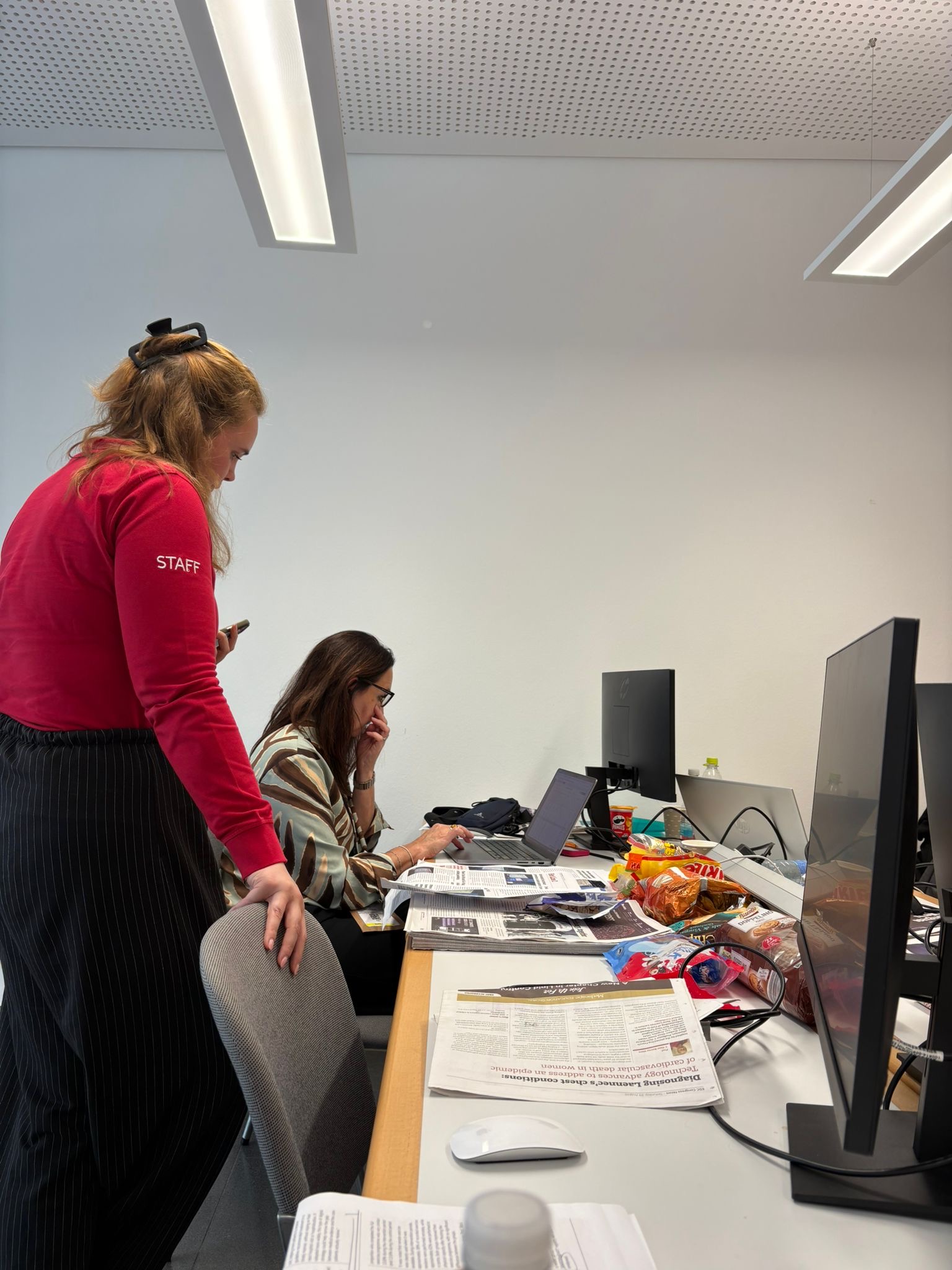
Then Congress happened and priorities changed immediately. Journalist questions arrived that we hadn’t anticipated. Access issues appeared. Some workflows needed adjusting. And practical challenges as simple as trying to upload high-risk content from one laptop without a second monitor suddenly became the key talking topic of the office.
But those months of planning and preparation meant I knew where to look, who to ask and what mattered most. Staying ahead is about understanding the environment well enough to make an informed, strategic decision when something changes.
When things get complicated, establish your source of truth
One of the biggest challenges was that not all content followed the same rules. Selected abstracts could be shared with journalists under embargo. Each piece of Hot Line content had its own individual embargo time, linked to the start of the presentation, with each needing to be scheduled in advance to publish at those exact times. Guidelines had another set of requirements altogether, so we needed absolute clarity about which information took precedence.
For the TMC team, that meant working from the final approved press release, the live Smartsheet and the latest instruction from the ESC Press Office team. Clarity and great communication were essential when so many moving parts were changing at once.
You don’t need to have every answer
Working around world-leading cardiology research also reinforced something that I think is particularly important when bringing clarity to specialist subjects. Being a good communicator means finding the right mind, for the right problem, at the right time.Questions about a particular study went to its presenter or author. Questions about the wider clinical implications could be directed to an appropriate ESC spokesperson. Questions relating to access or materials came through the Press Office. Anything particularly sensitive or unclear was escalated.
My role during those 5 days was to co-ordinate the press mailbox, the press wires and undertake robust quality checking. When you’re working with technical, scientific or clinical organisations, respecting the expertise in the room is vitally important. The role of communications is to help that expertise flow freely, to make the route between specialist knowledge and its audience clearer, without changing the substance along the way.
Specialist doesn’t have to mean inaccessible
There was another interesting challenge that ran alongside the operational press office activity -identifying which scientific stories had the potential to travel beyond specialist media into the mainstream. Some of the research naturally raised questions with much broader audiences, from statins and healthy ageing to diet, cardiovascular risk and emerging uses of AI.
At Congress, we could bring a mainstream media perspective to discussions while working within the scientific rigour expected by ESC. That meant identifying topics with a genuine human hook, thinking about the right spokespeople earlier and considering how complex findings could be explained clearly without overstating what the research actually showed.
So, what did five days in the press office teach me?
- That process creates confidence, but judgement is what you rely on when the process is stress-tested in the real world.
- That asking the right person is often more valuable than having an immediate answer.
- That calm communications support can make a meaningful difference when there are lots of moving parts, competing priorities and very little margin for error.
By the end of Congress, one of my biggest personal takeaways was becoming much more comfortable with not having complete control.
Because ultimately, preparation is about giving yourself enough understanding, structure and confidence to respond well when things deviate from the plan, and, apparently, sometimes that means creating a very comprehensive runbook you never actually open.
Share this