In a world where access to devices is almost constant, our reliance on them has become second nature.
From the moment we wake up, we use technology to work, communicate, navigate, shop, pay, socialise and entertain ourselves. Even the smallest gaps in our day are increasingly filled by reaching for a screen.
Have we become a society that can’t function without a device in our hands at all times?
There is a strong argument that says yes, yes we have. And when you actually stop and think about how rarely we’re without some form of device, it is slightly unsettling.
But we’re becoming more aware of it. We’re questioning it. And there’s been a noticeable shift.
We’re choosing not to experience every part of our lives through a screen. We’re actively seeking opportunities to switch off, be present and experience something in real life (IRL).
The data behind it
Mastercard’s latest Experience Economy Report explores ‘conscious connection’ and this idea that digital life has fragmented our presence, but meaningful, real-world experiences can help to restore it.
They’re not alone in thinking this. Eventbrite’s Inaugural Social Study Report found that 74% of Gen Z think in-person experiences are more important than digital ones, while 49% want events that feel less curated and more real.
And perhaps most interesting, 81% of Gen Z say they wish it were easier to disconnect from their digital devices.
Why is this happening?
Presence is becoming a luxury.
Which explains why we’re seeing such an appetite for things that feel tangible again.
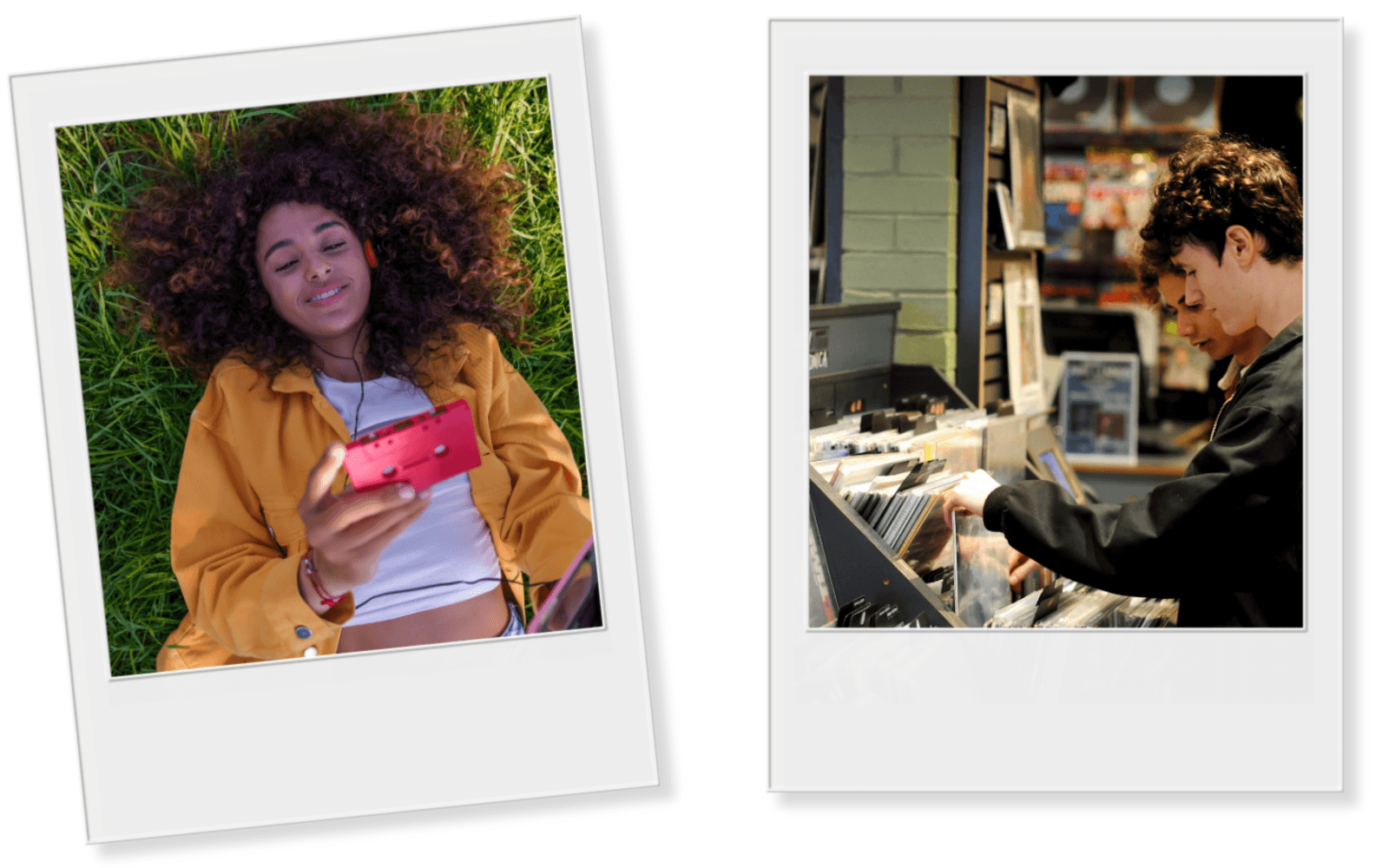
We’re craving tactile grounding. Real-life experiences. Reading a hardback book instead of a Kindle. Taking photos on a film camera instead of a phone. Swapping streaming algorithms and digital notes for vinyl records and paper journals. Reconnecting through pen pals and handmade postcards.
Interestingly, none of these things are necessarily more convenient. In many cases, they’re less convenient. But maybe that’s part of the appeal.
We’re starting to place value on experiences that ask a little more of us. Experiences that encourage us to slow down, engage our senses and actually be present.
How are brands responding?
Three letters. IRL (in real life).
Brands are tapping into this want for less digital and more real life.
One example of a brand that has embraced the in-real-life brief is Pinterest.
At one of America’s biggest music festivals, Coachella, where phones, social media and endless selfies have become a natural part of the experience, Pinterest decided to do the opposite.
They asked festivalgoers to lock their phones away in a pouch before entering the Pinterest experience.
Arguably, a brave move. As a society, we’ve become pretty funny about leaving our phones behind. They come with us everywhere, so voluntarily handing them over, even temporarily, is a bigger ask than it might sound.
But that was exactly the point. Everything was designed to encourage people to stop scrolling and actually enjoy the moment they were in.
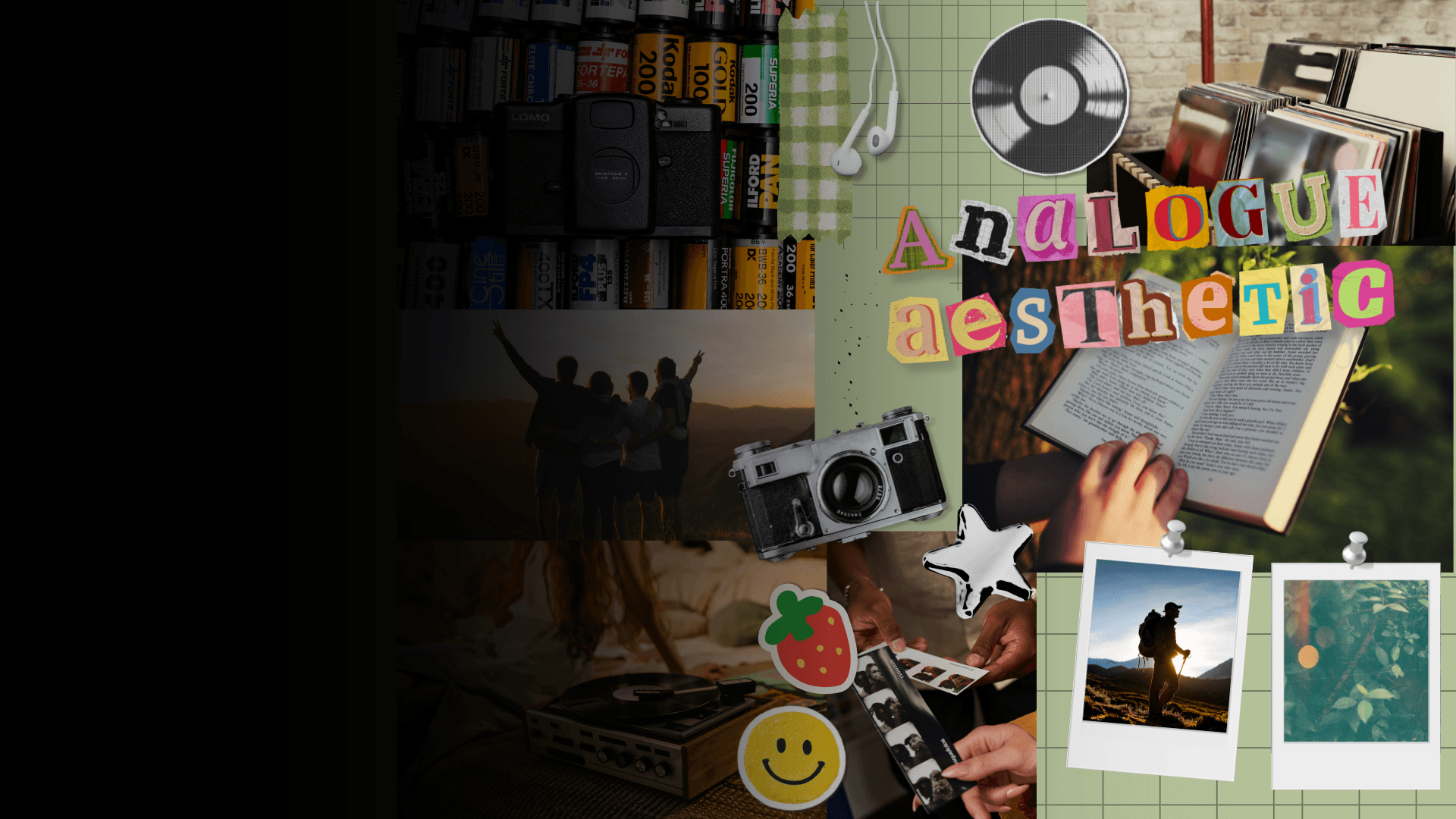
Why? Gen Z searches on Pinterest for “analogue aesthetic” increased by 260% between January 2025 and January 2026. The activation was timed with a broader Pinterest campaign about offline living, reinforcing its position as the anti-scroll platform. The platform whose algorithm is supposed to get people to go and do something, not stay glued to a screen. Clever.

So, what does all of this mean for the world of marketing?
Well, it certainly doesn’t mean digital is going anywhere anytime soon. But it does suggest that brands should be thinking beyond the screen.
Share this