
Could “ChatGPT it” become the new “Google it”?
It’s one of several questions emerging from another busy month in digital marketing, as AI continues to reshape search, advertising and the content we see online.
We’ve also looked at the latest social media updates, impressive campaign results and a PR mishap involving one of football’s most recognisable hairstyles…
Here’s what caught our attention this month.
Search, SEO, AEO & GEO
Will “ChatGPT it” become the new “Google it”?
OpenAI’s latest research revealed an interesting shift in how we’re using ChatGPT. The act of looking up information now accounts for almost as many messages as writing.
In September, information seeking made up 20.2% of consumer messages, compared with 21.4% for writing; a significant change from July 2024, when writing accounted for more than a third of all messages.
Good SEO is still good GEO
With GEO being the latest obsession in the world of search, Google has offered a rather welcome reality check: good SEO is still good GEO.
Speaking at a recent event in London, Google reiterated the importance of clear website structures, useful content and established authority when it comes to AI-powered search. So, despite the growing number of new acronyms, tools and supposed shortcuts, you can be assured that the fundamentals remain unchanged.
Advertising
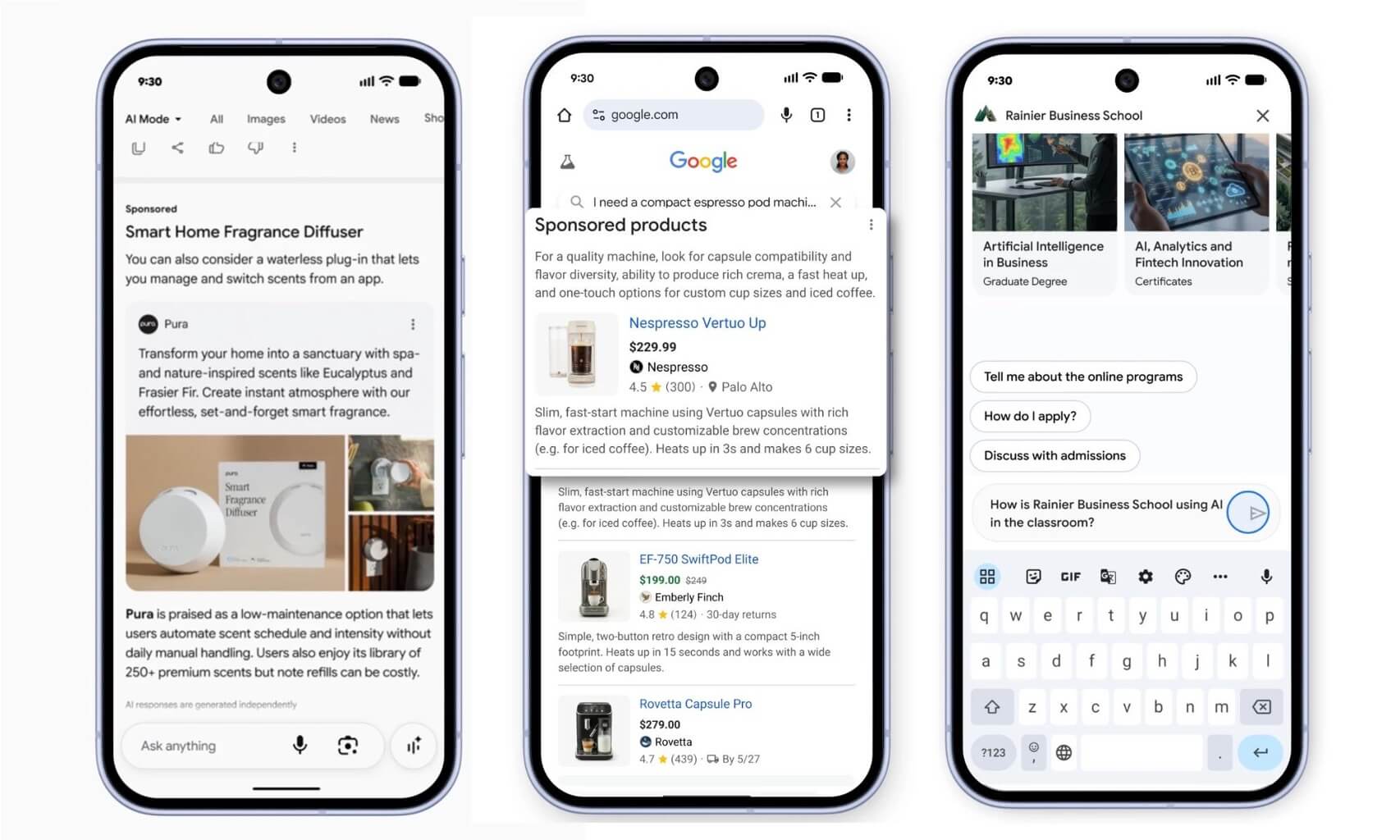
Google is expanding advertising within AI-powered search. This will be available in ten additional countries, and the UK is expected to follow later this year.
The platform is also experimenting with ads appearing within ongoing AI conversations in the US. Google reports that AI Mode queries are three times longer than traditional searches, giving advertisers a much more detailed picture of what users are looking for. Could this mean better, and easier targeting?
When it comes to OpenAI, the company has been busy making ChatGPT Ads easier to manage, introducing bulk campaign creation, automated ad templates and more detailed conversion reporting. Advertisers can now upload spreadsheets to build multiple product campaigns, check why products have been rejected and get a clearer picture of what their advertising is delivering. With ChatGPT Ads also expanding into seven more Asian markets, OpenAI certainly seems keen to make the platform a serious contender for advertising budgets.
And finally, Meta has introduced two new advertising formats for brands looking to make a big impression, and quickly.
Ads Super Burst allows advertisers to reserve a 3-24-hour window, with early campaigns reportedly reaching a median of 34 million people. Meanwhile, First Impression Ads is being tested in the US, currently offering one advertiser per day the first ad position in Facebook’s Feed. An interesting option for major launches, although we’d be curious to know the price of being first in line!
PR Sin
Norwegian Air’s attempt to celebrate Norway’s football success didn’t quite go to plan after the airline shared an image of a plane sporting Erling Haaland’s unmistakable blonde ponytail…
The footballer’s representatives reportedly objected to the unauthorised use of his likeness, leading to a legal dispute and the removal of the post. We can certainly appreciate the creativity, but perhaps borrowing one of football’s most recognisable hairstyles without permission wasn’t the best idea!

PR Win
Currys has picked up the Grand Prix at October’s IPA Effectiveness Awards for its Beyond Techspectations campaign, which turned its knowledgeable store colleagues into the stars of its advertising.
Using humour to celebrate genuine human expertise online shopping struggles to replicate, the campaign generated £500 million in incremental revenue over two years and a 44% improvement in long-term ROI. Not bad for a retailer once seen as particularly vulnerable to online competition!

AI
Some of the biggest names in AI, including Google, Meta and Anthropic, have signed a voluntary agreement to oversee their own AI development.
The commitments include internal safety controls, independent audits and board-level oversight, although there’s no legal obligation to follow through. With these same companies investing billions in the technology, it begs the question: can the industry really be trusted to police itself?
Canva has decided it wants a bigger slice of the AI image-generation pie. The company has recently launched Craft, its first image model developed entirely in-house, to compete with the likes of OpenAI and Google. It’s made quite an entrance – debuting at number four globally on DesignArena, with first-place rankings for people, portraits and landscapes.

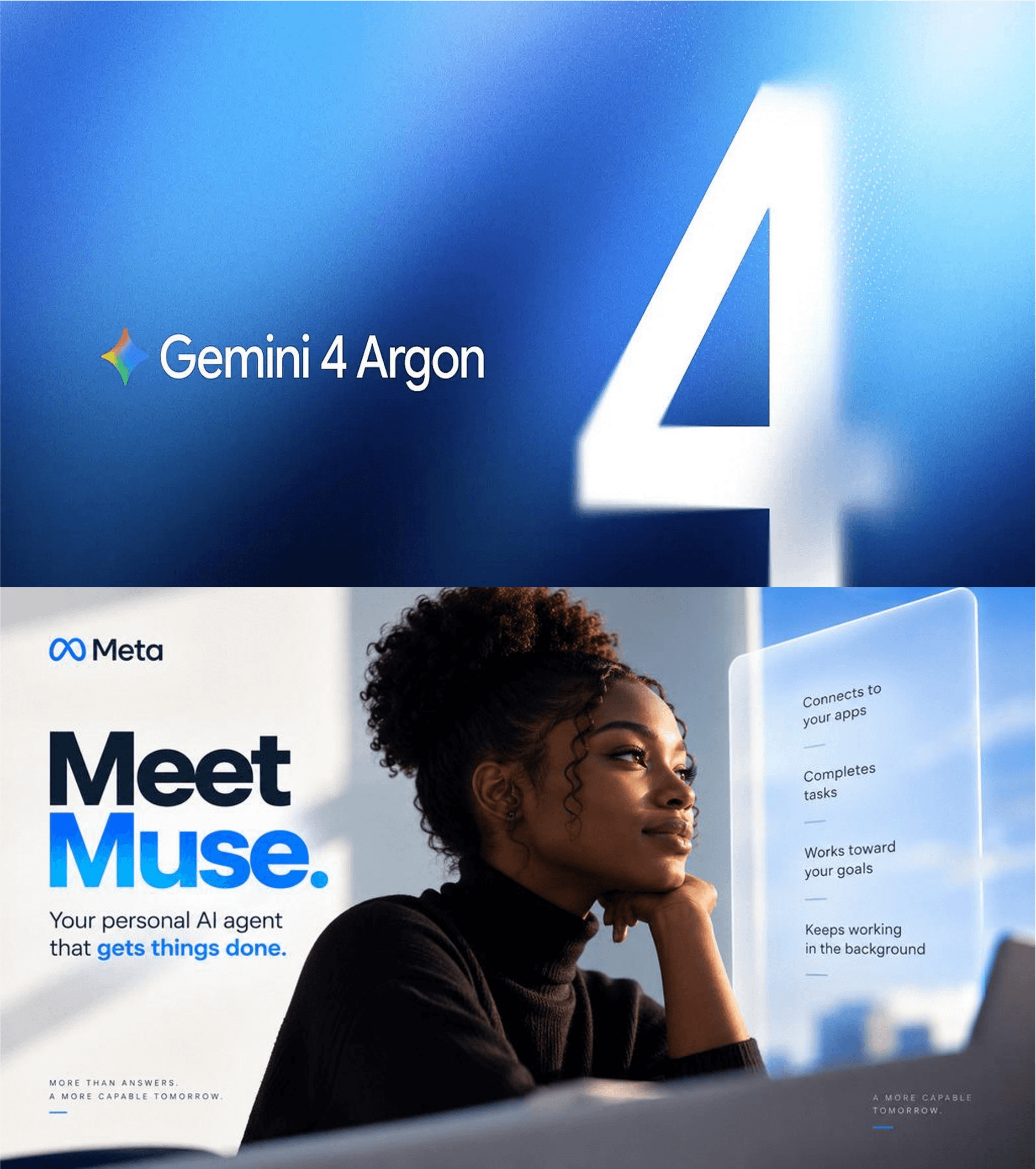
Meanwhile, Google and Meta have been busy trying to outdo each other, with Gemini 4 Argon and Muse Wonder arriving within a day of each other in October.
Google’s latest model is designed to tackle complex work, from research to building applications, while Meta’s Wonder models focus on AI agents capable of completing more involved tasks. Both companies are reporting impressive results against competing models.
Social Media
Meta’s latest figures reveal that 45% of recommended Instagram Reels are now less than 24 hours old, up more than 11 percentage points in just one quarter. It seems like Instagram is getting better at identifying relevant content before it’s had time to build up likes and views, giving newer posts an opportunity to be recommended much sooner.
An interesting shift, particularly for creators and brands competing against accounts with much larger followings.
On Facebook, your feed is getting more personal – the platform is giving users a little more say in what its algorithm recommends, introducing new AI-powered controls that let people describe their interests in their own words. Rather than relying entirely on likes, comments and viewing history, users can now tell Facebook what they’d like to see more or less of, with recommendations updating in real time.
Facebook is also taking us back to the early days of the internet with Forum, a dedicated app for Facebook Groups. Currently available in the US, Forum brings community discussions into one place and uses AI-powered search to help eople find advice from others with similar interests.
With so much social content dominated by algorithms and short-form video, perhaps there’s still room for the humble online forum!
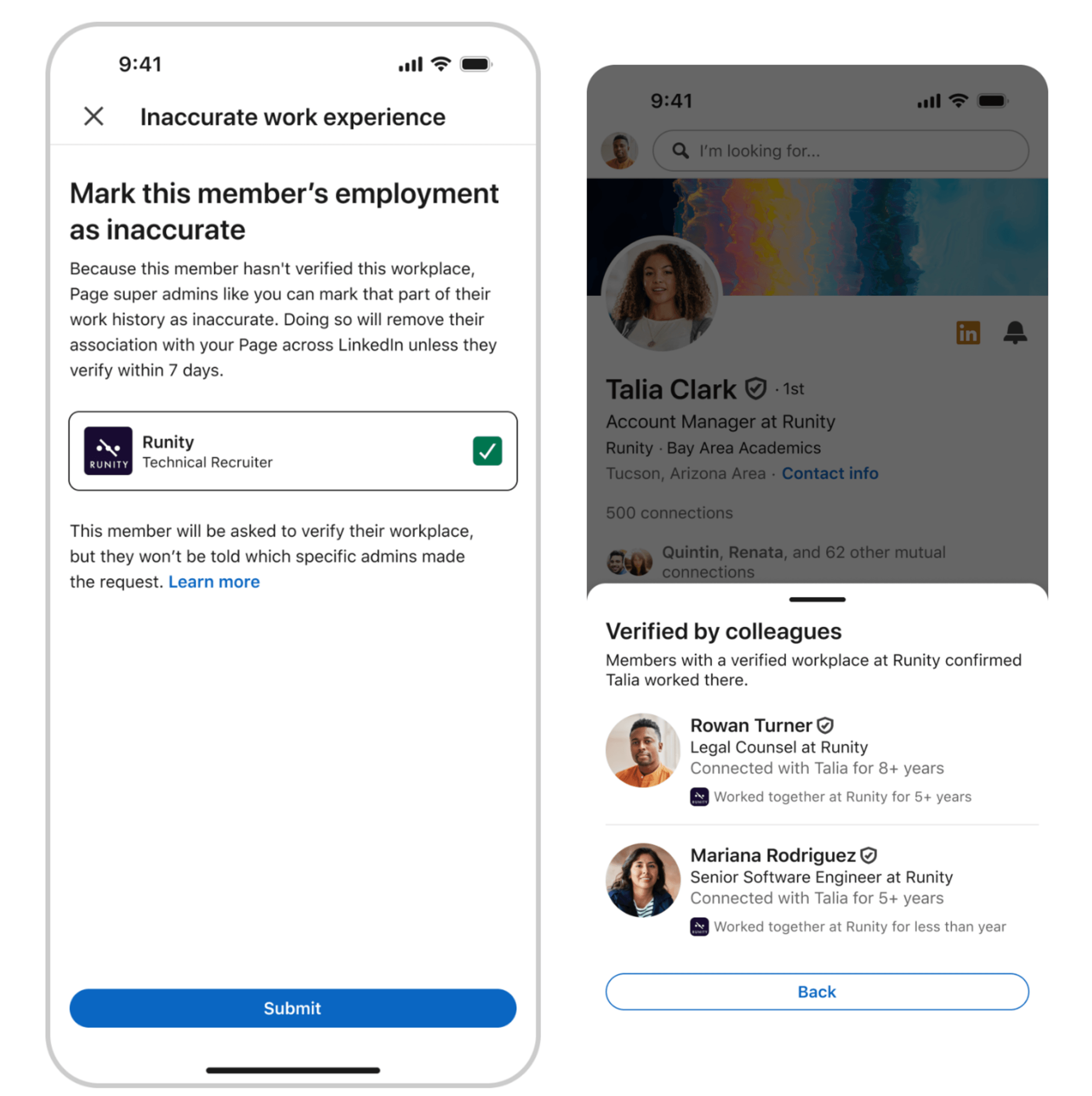
LinkedIn is introducing new verification tools that allow colleagues to confirm they’ve worked or studied together, in another attempt to tackle fake profiles and questionable credentials. Members doing the verifying must meet several requirements, including having a verified identity and being connected for at least a year.
Interestingly, LinkedIn also reports that verified members receive around 50% more post views than unverified users. Have you noticed a difference?
Another busy month in marketing and PR, and with AI, search and social platforms showing little sign of slowing down, we’re expecting plenty more to talk about.
See you next month!
Share this