As strategic communications experts, we spend most of our time exploring why people think, behave and respond the way they do. While no single framework can fully capture human complexity, models such as the Jungian Colour Theory or Myers Briggs testing offer a valuable lens for understanding communication preferences, and how we can tailor our approach to create deeper, more meaningful interactions.
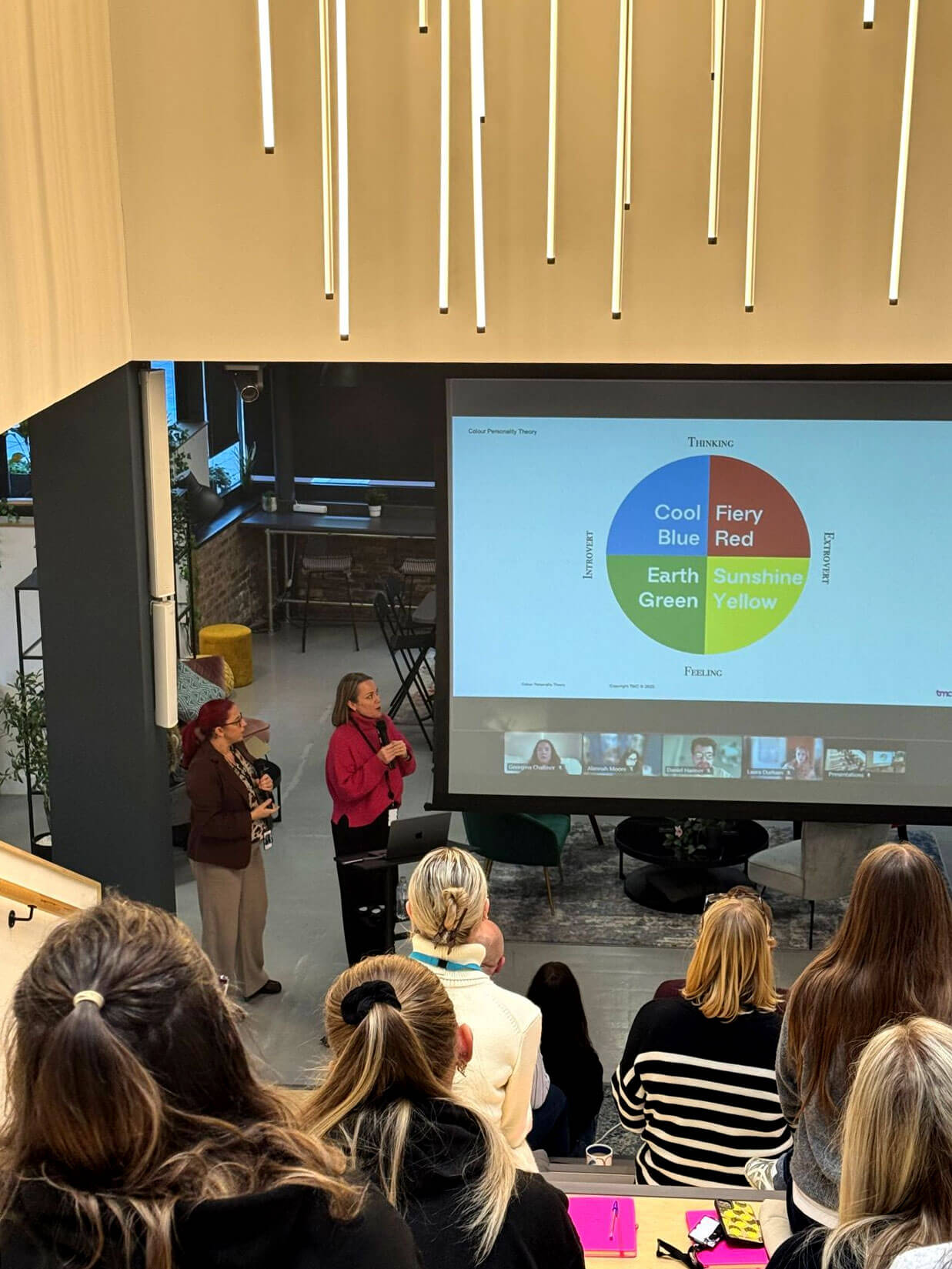
At its core, Colour Theory (popularised by cult-read ‘Surrounded by Idiots’) suggests that people tend to lean toward one of four dominant communications styles:
- Reds who are direct, decisive and outcome‑
- Yellows who bring optimism, energy and big-picture thinking.
- Greens who value harmony, patience and collaboration.
- Blues who seek clarity, detail and logical structure.
In reality, most of us are a blend, but recognising these tendencies can transform the way we connect with others. For strategic communicators, it’s an opportunity to step outside our own preferences and meet people where they are, not where we naturally sit.

At TMC, this framework has recently shaped both our internal development and our client-facing projects. v
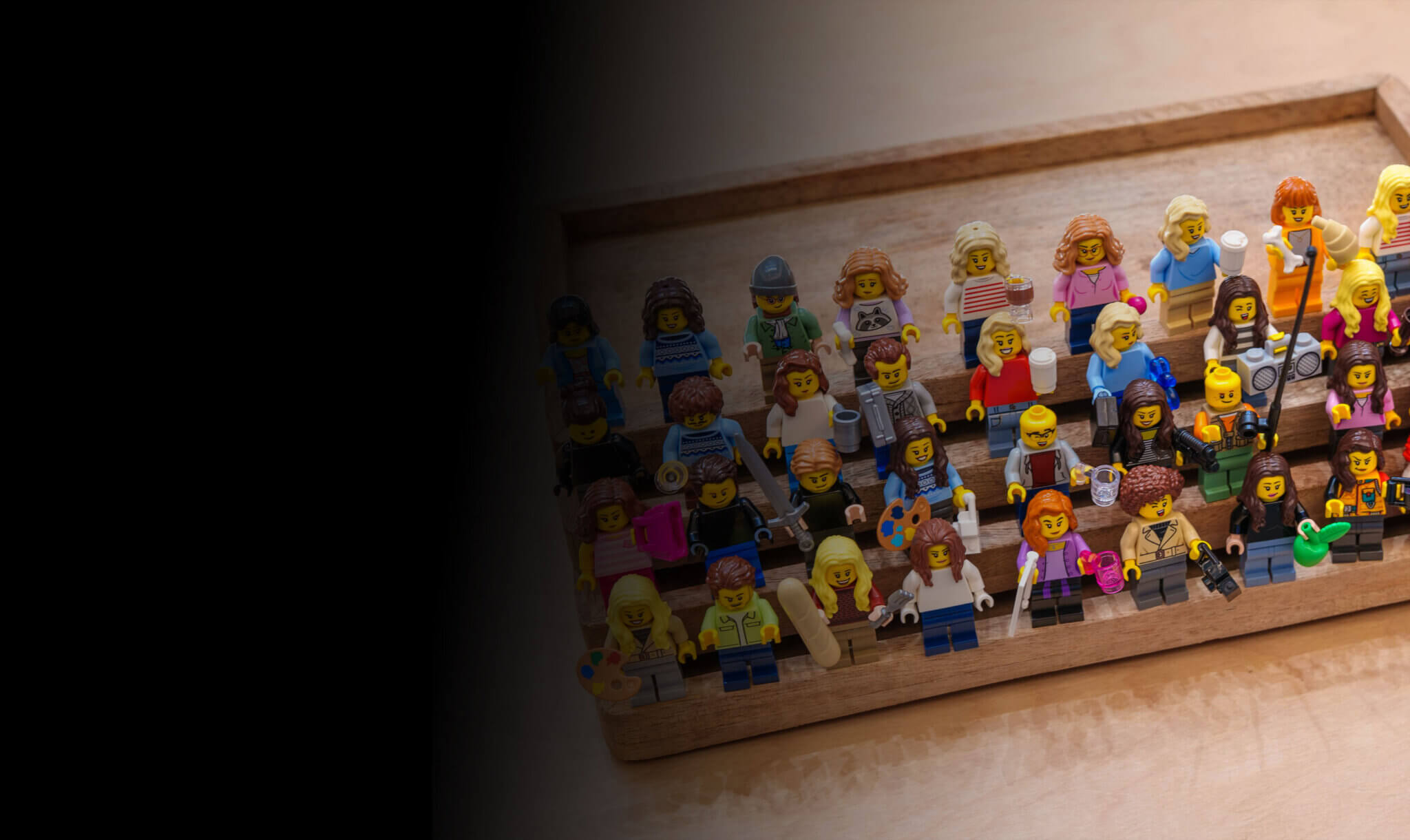
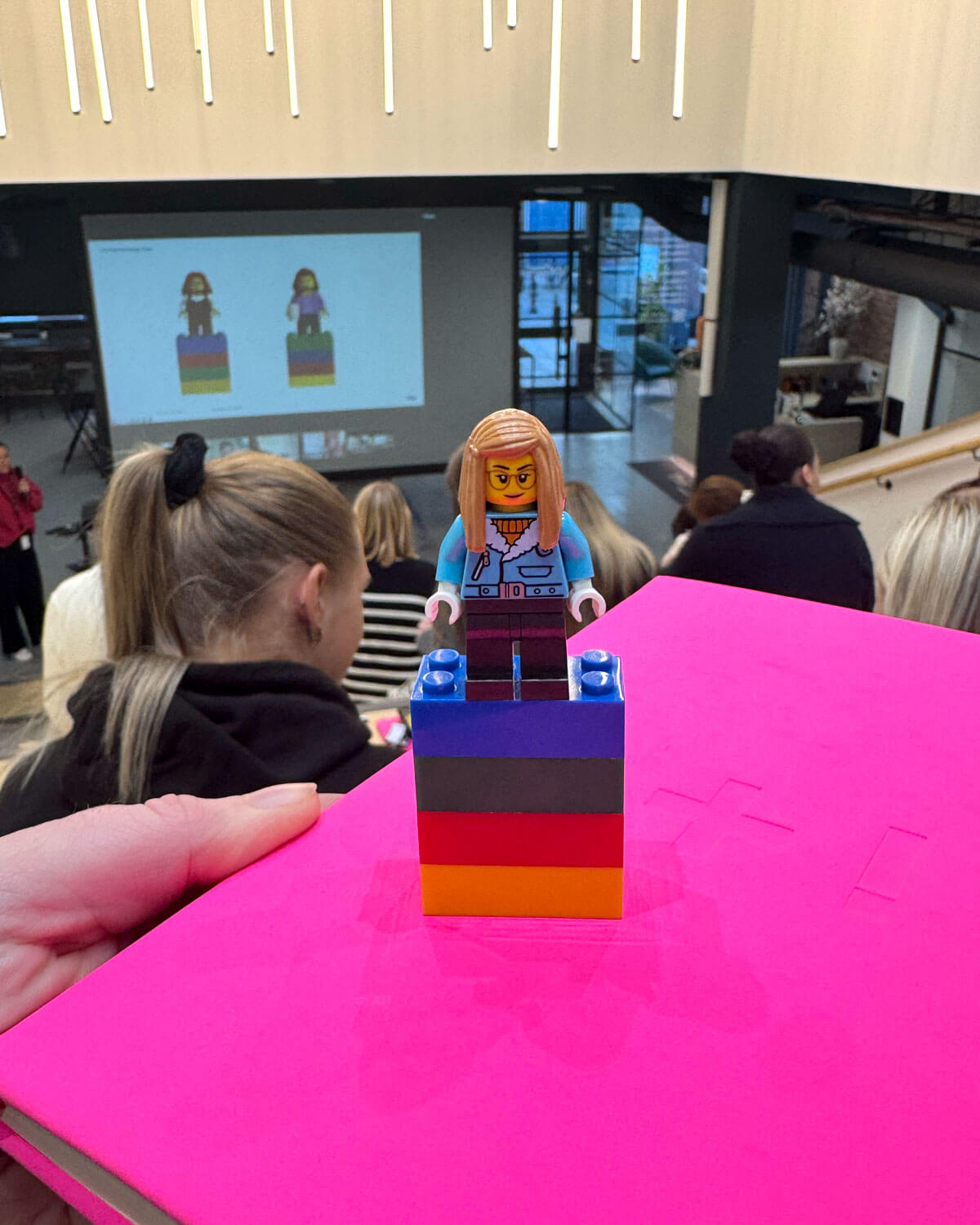
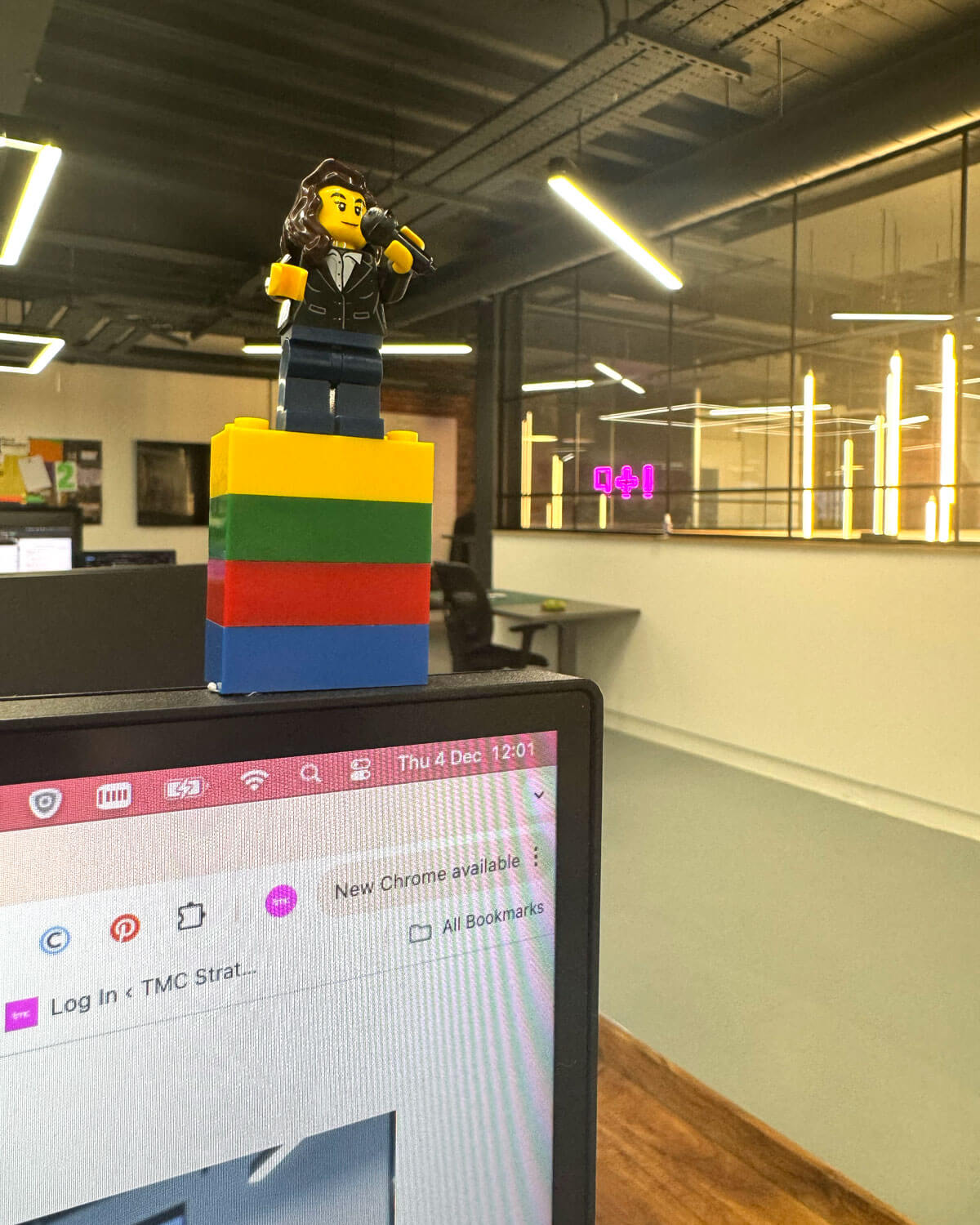
Each of us even created a personalised LEGO® colour stack to reflect our style, a small but powerful reminder that great work comes from embracing difference, not defaulting to a ‘muddy middle’ or ‘echo chamber’. And, just because we’re a creative agency and love to ‘play’, we couldn’t help but design a custom minifigure for each team member to sit atop each of our stacks!
The impact from this session has been immediate. Conversations have been more intentional. Feedback has landed better. Collaboration has felt smoother, because we aren’t just reacting to how someone communicates – we understand why.
For our clients, this thinking plays an equally important role. When we design campaigns, facilitate workshops or lead discovery sessions, we’re not simply delivering messages, we’re designing them for the humans receiving them.
A data‑driven Blue may need evidence and structure. A visionary Yellow may need enthusiasm and imagination. A fast‑paced Red might respond best to clear recommendations, while a Green may value reassurance and consensus.
In a world full of noise, communication that resonates is communication that recognises the person behind the preference.
Colour Theory isn’t about labelling people. It’s about ensuring we listen better, collaborate smarter and influence with empathy. Sometimes, all it takes is a stack of colourful bricks to remind us that we each see the world a little differently.
Share this