
Great communication is not one-size-fits-all.
The way people receive information, process detail, respond in meetings, make decisions and build trust can vary significantly. That is true within internal teams, and it is just as true across client relationships.
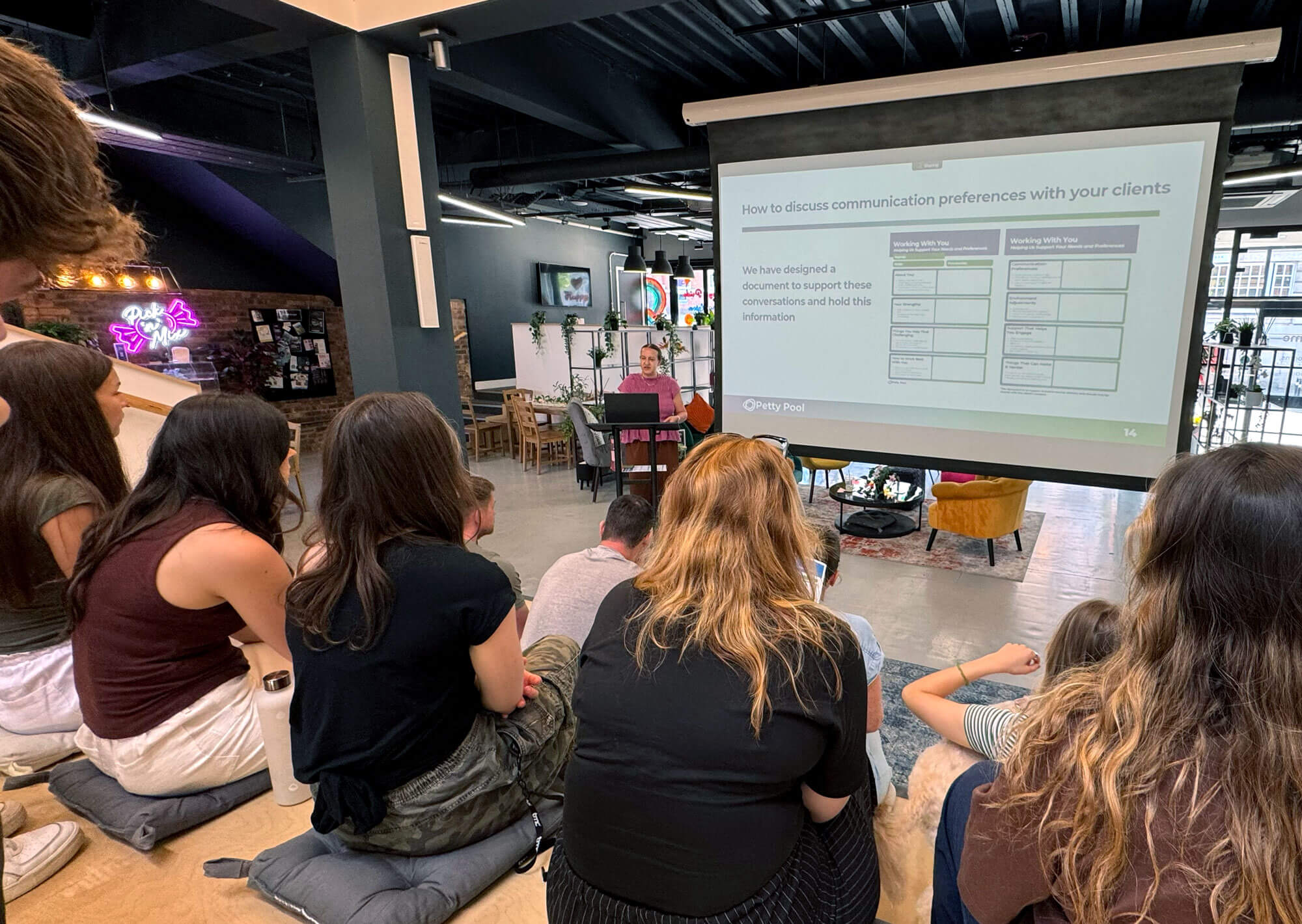
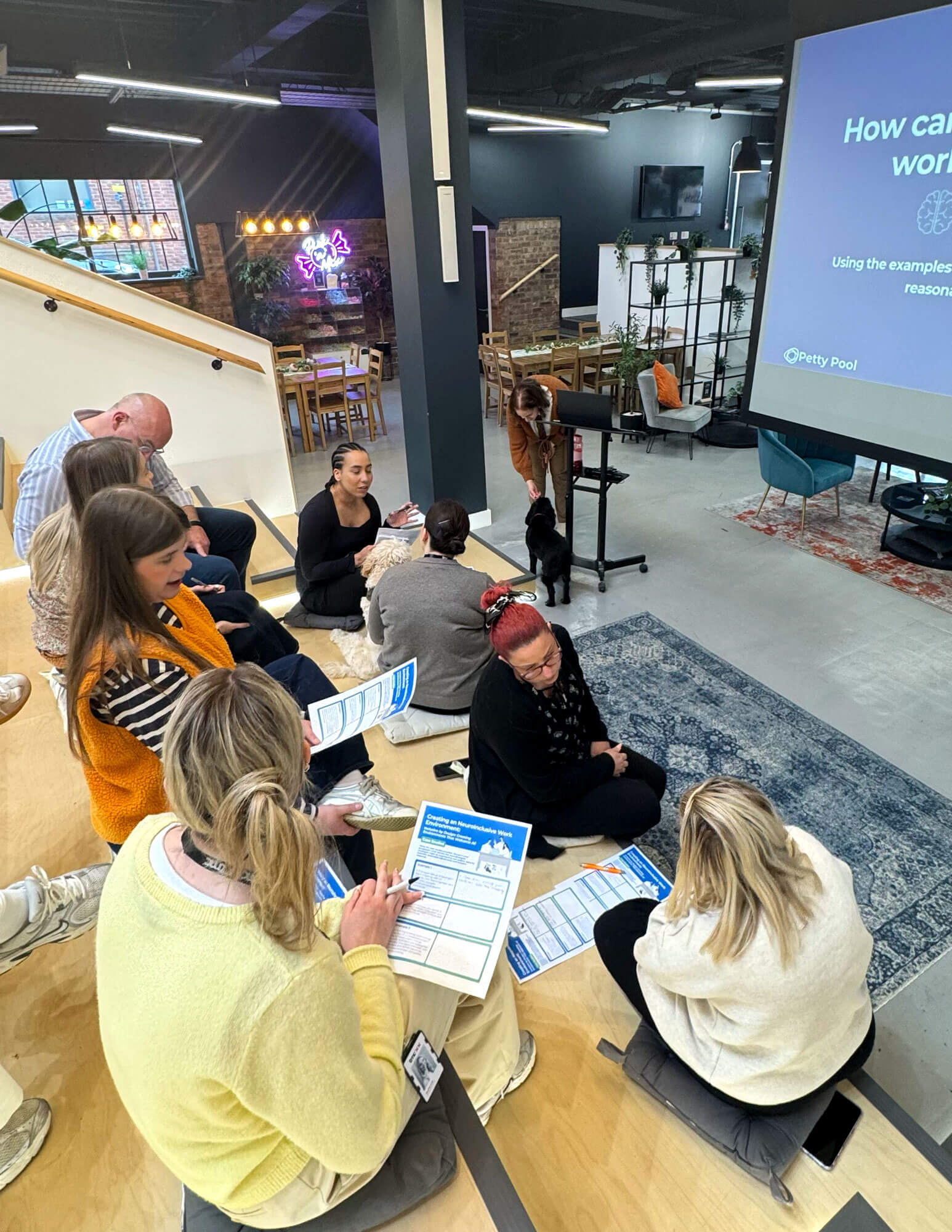
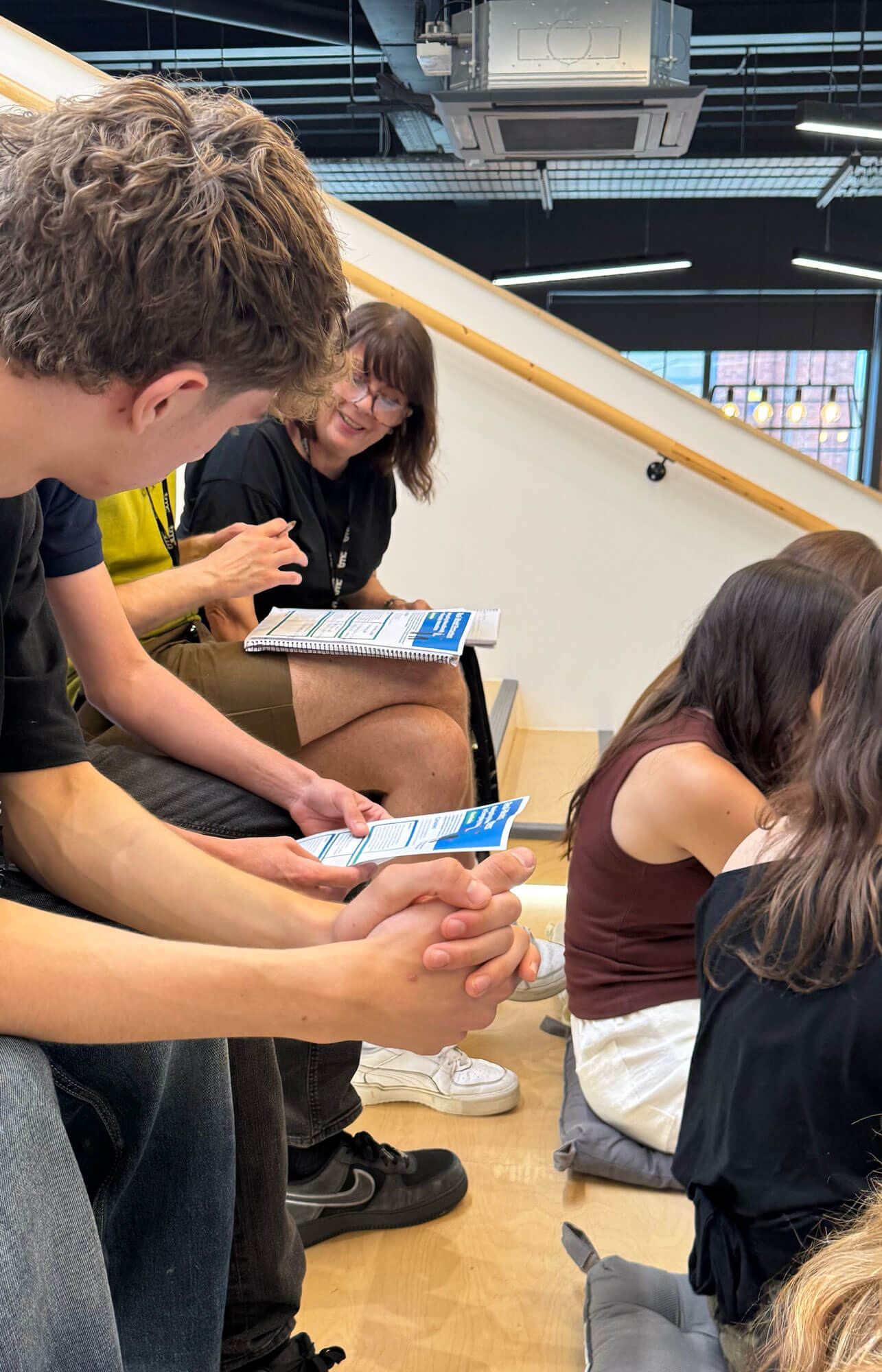
Over the past few months, the TMC team has taken part in multiple neurodiversity workshops, hosted by Emma Myles from Petty Pool College. The sessions have given us time to reflect on how different people think, communicate and engage, and what that means for the way we work with each other, our clients and the audiences we help them reach.
As a strategic communications agency, our work is built around understanding the complex behaviours of people. Our value comes from helping organisations translate complex ideas into meaningful connections, often across healthcare, medical society and technology sectors where clarity, trust and accessibility are essential.
To do that well, we need to think carefully not only about what is being communicated, but how it is experienced.
Neuroinclusive communication gives us a useful lens for doing that better.

So, what is Neuroinclusive Communication?
Neurodiversity refers to the natural variation in how human brains work, and includes differences in thinking, learning, attention, sensory processing, communication and emotional regulation.
Neuroinclusive communication means sharing information in ways that recognise the different processing and communication preferences, so more people can understand, contribute and engage with confidence.
The key message from the workshops? Neurodivergence is not a taboo or a barrier to overcome; it often brings valuable strengths to your team, including creativity, attention to detail, directness and problem-solving.
In contrast, challenges occur when systems and environments are built only around one assumed ‘correct’ way of working, which is where inclusive communication and work processes become even more crucial.
For example, picture the last meeting you attended. Was the information easy to understand? Were expectations clear? Did participants have enough time and structure to respond in the necessary way? Were different ways to contribute offered? Did the host mistake silence, delay or overwhelm for disengagement?
These are questions that are useful to discuss both internally, and when working with clients.
Why is Inclusive Communication Important for Client Relationships?
Inclusive communication helps reduce misunderstanding, build trust and make it easier for clients to engage, contribute and make decisions with confidence.
In our fast-paced agency environment, it can be easy to default to our own communication preferences when liaising with clients. Our natural enthusiasm, exuberance and multi-tasking mindset is well-suited to our sector but can feel overwhelming in contrast to others.
A quiet client is not necessarily a disengaged client. They may need time to process the discussion before they can respond with confidence. Them repeating a question may not mean information has been rebutted; it may mean it needs to be clarified, simplified or reframed. When a client seems distracted, we should always gently enquire whether the pace, format or environment of the conversation is supporting engagement or making it more challenging.
Often, the most useful changes are simple. Clearer agendas, shared in advance, more structure, written follow-ups, fewer assumptions and more explicit next steps.

How Can Agencies Design More Inclusive Client Experiences?
A positive client experience and lasting relationship goes beyond just delivering exceptional work. We retain equal, if not more, focus on how each of our interactions makes them feel.
It all starts with onboarding.
Accessible client onboarding makes it clear to all parties involved how the relationship will work, which communication channels will be used, how decisions will be made, and where key information can be found. This should always be collaborative, rather than a set process, giving clients the opportunity to share their communication and working relationship preferences.
For example:
- Do they prefer information verbally, visually or in writing?
- Do they need time to review before making decisions?
- Do they prefer email summaries after meetings?
- Are there times, formats or meeting styles that help them engage more effectively?
- Would clearer milestones, reminders or approval steps make the process easier?
These questions are not only relevant for those who identify as neurodivergent. They improve the experience for all, particularly in industries such as healthcare and technology where there are multiple stakeholders, complex regulatory approvals and technical information. Strong communication is vital.
Inclusive Communication Supports Better Work
Our neurodiversity workshops have encouraged the team to think from a new perspective, about how we can support each other day to day. Whether that’s through the way meetings are run, the way information is shared, or the way feedback is given.
The main takeaway was that even small, thoughtful changes can remove unnecessary barriers.
Neuroinclusive communication is great communication, they don’t operate on parallel tracks. It helps teams work more clearly, supports stronger client relationships and creates better conditions for people to engage, contribute and make decisions with confidence.

Key takeaways
- Neuroinclusive communication is not separate from good communication; it is part of it.
- Clients may process information, make decisions and respond in different ways.
- Clearer agendas, written follow-ups and explicit next steps can reduce misunderstanding.
- Accessible onboarding helps clients share how they prefer to work and communicate.
- Inclusive communication supports stronger relationships, better collaboration and more confident decision-making.
Share this