Wear White Again
Reducing Stigma & Driving Health Action
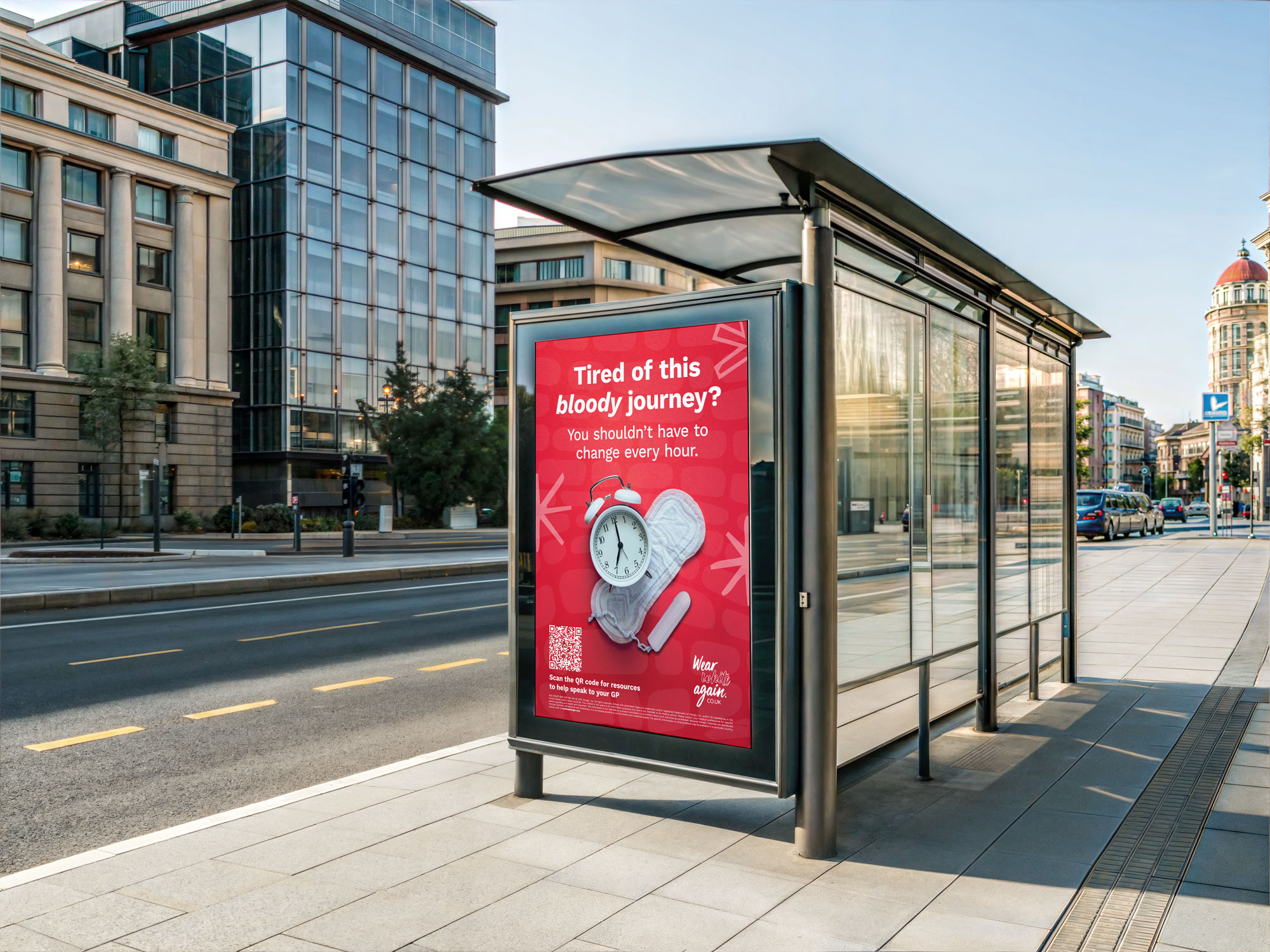
Heavy Menstrual Bleeding (HMB) affects 1 in 5 women in the UK, yet over 30% have never spoken to a GP about treatment options.
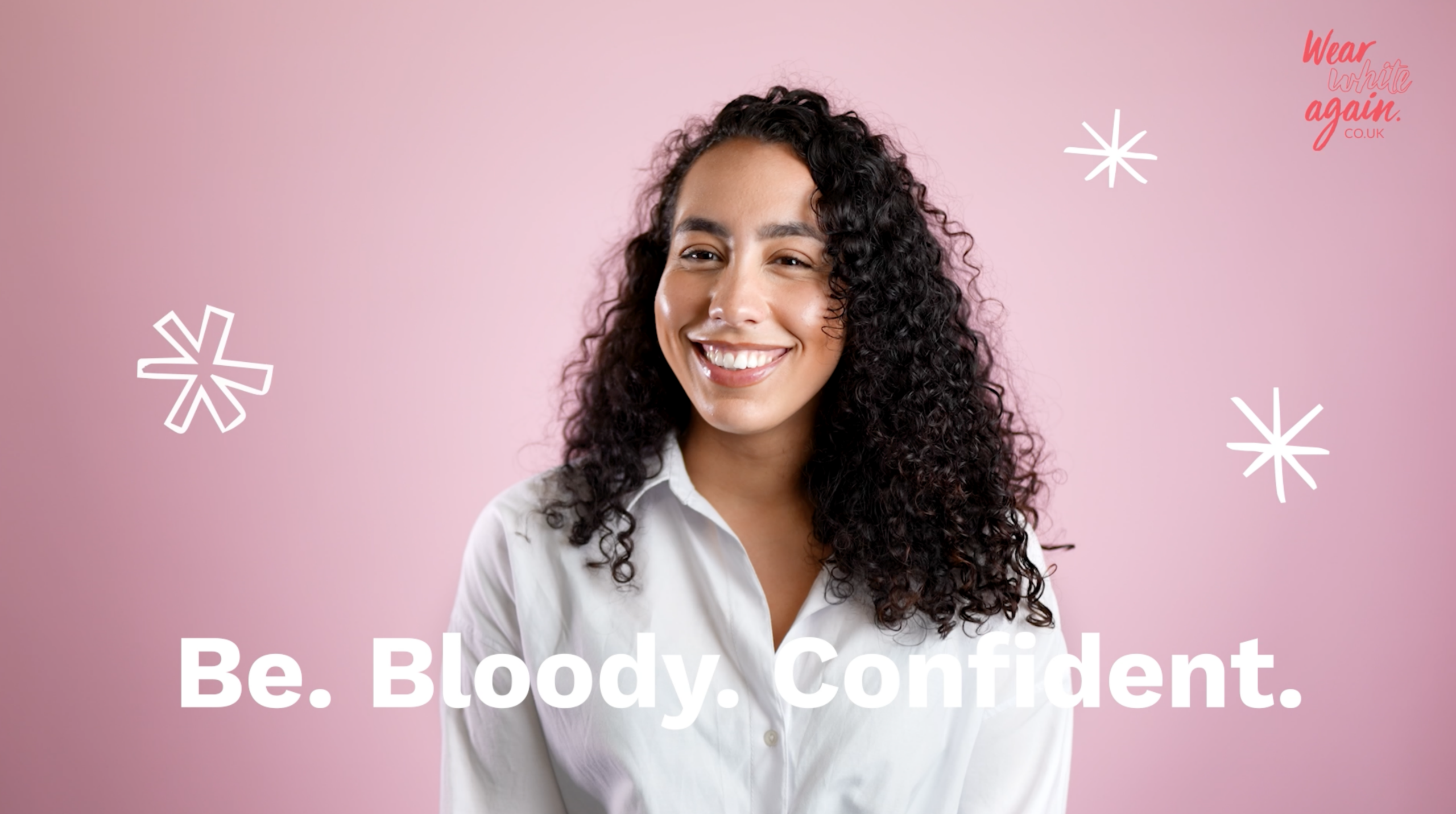
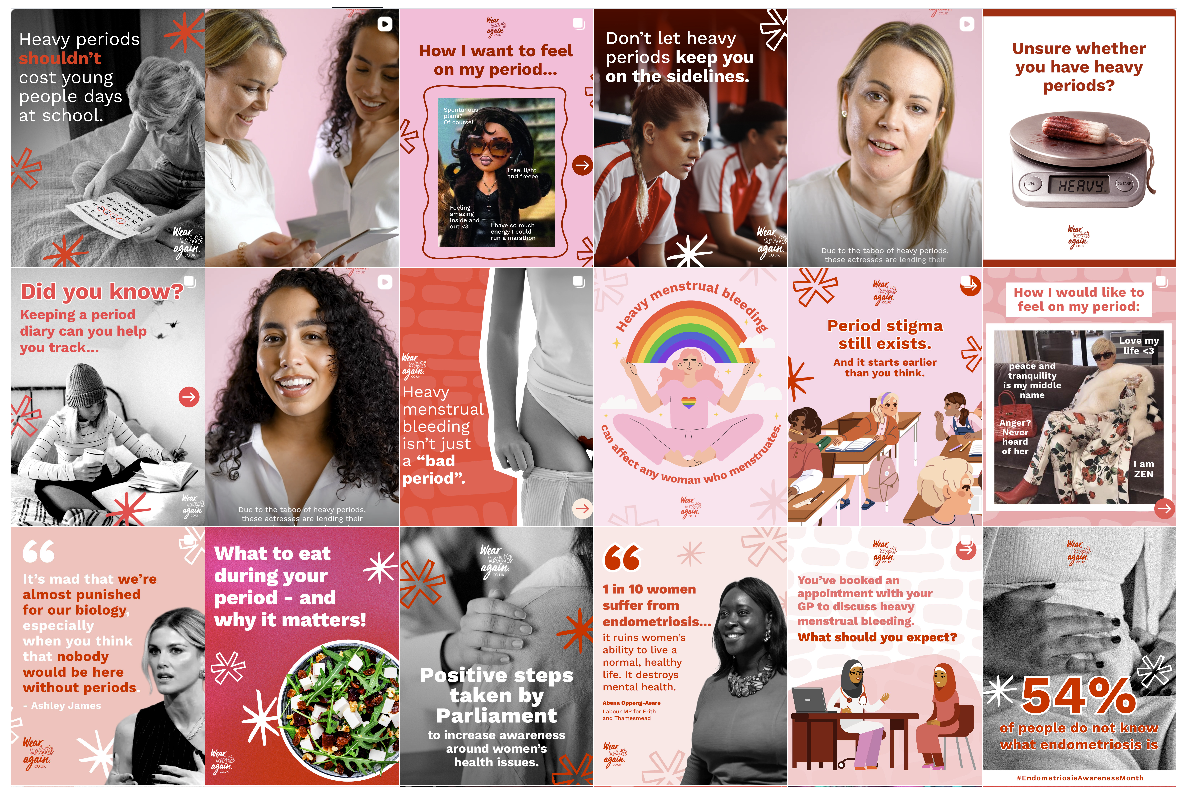
Global women’s health leader, Hologic, initially launched the ‘Wear White Again’ campaign in 2014 to build awareness. Since then, visibility of the brand has been shared across social and digital platforms, helping to reignite visibility, educate, and empower women worldwide.
Most recently, the challenge was to reach minority groups within the Birmingham locality, based on previous research as to which areas have high percentages of women struggling with heavy bleeding. To be effective, the campaign assets had to be relevant yet adaptable to local contexts.
This campaign needed to overcome a longstanding stigma, educating and encouraging women to take the first step toward addressing their condition.
The Challenge
The campaign was developed against a backdrop of significant health inequality. In some of the city’s most deprived communities, women experience poorer health outcomes and may face additional barriers to accessing information, support and care.
Conversations around periods can also be shaped by cultural and religious beliefs, with menstruation still seen as taboo or something to be kept private in some communities. This can leave women and girls feeling embarrassed to speak up about symptoms, ask questions or seek help when heavy bleeding is affecting their everyday lives.
Periods that are painful, prolonged or difficult to manage can affect school attendance, confidence and participation in day-to-day life, while menstrual education remains inconsistent.
Any campaign looking to address this inequality, needed to create a more open, inclusive conversation around heavy periods. Helping women recognise when symptoms are not something they simply have to put up with, and giving them practical confidence to speak to a healthcare professional.
Audience Pain Points
- Cultural barriers and stigma may prevent some ethnic minority women talking about gynaecological problems or accessing services. (RCOG)
- 1 in 10 women and people who have periods have been told not to speak about their period in front of others, and Asian and Asian British women and girls were among the most likely to say they experienced this. (In Kind Direct)
- The Caribbean and African Health Network, in their research and advocacy on the prevalence of fibroids in Black women, have highlighted the lack of support in healthcare settings, the need for culturally relevant education, and greater health literacy to empower women and improve outcomes. This indicates that current levels of education and information are not yet appropriate or culturally relevant. (Caribbean and African Health Network)
- 19.8% of Black women reported having fibroids, compared with only 5% of their White counterparts, which has implications on fertility. (LSTMH, 2025)
- Black and Asian women are up to 2.5 times more likely to be diagnosed with PCOS, and those from ethnic minority backgrounds more likely to present with more severe symptoms. (All Party Parliamentary group on PCOS, 2025)
The Results
The out-of-home campaign was delivered across 78 bus interiors and 5 bus shelter locations around Birmingham.
Using traditional printed formats gave the campaign a visible presence in the local community, placing its message in everyday public spaces where women and girls could encounter it as part of their daily journeys. The campaign created a strong foundation for awareness, supported by visual evidence of its reach across the city.
This campaign ran for 4 weeks, sitting alongside consistent social media activity and helping to reinforce the campaign message across both public spaces and digital channels.
Together, the activity kept the conversation around heavy periods visible, accessible and ongoing.
What’s Next?
Working in collaboration with the client to identify the true target audience, we deliver bespoke and emotive campaigns to trigger them to take action. Action in this case being a potentially life-changing first conversation with their GP.
Want to find out more? Take a look at our innovative healthcare communications solutions here.