
Science, Technology, Engineering, and Manufacturing begins at the routes of our education. From multiplying numbers, to learning about light, these subjects are embedded in us all from an early age.
With ever-increasing focus on the gender gap in the uptake of STEM subjects, what is the deterrence for women?
What are the influences occurring during career path decisions, leading them away from the opportunities of STEM?
It may not always be a straightforward answer, but evidence proves something is swaying the choices made.
A recent study from the charity EngineeringUK identifies:
“115,000 more girls would need to study A-Level maths or physics, or both, to reach the same levels of male students studying engineering and technology degrees.”1
Despite the broad choice of opportunities within the STEM industry, alternative careers appear to gain greater appeal from women. It’s not all down to the grades though. If we look at recent studies they have actually found that girls regularly outperform their male counterparts in STEM based subjects2. Despite this, there is still a drive to move away from the subject.
In fact, just 8% of first-year undergraduate women who had studied maths and/or physics at A-level went on to study engineering and technology degrees. This is compared to 23% of first-year undergraduate males.3
How do we support and further help to promote STEM subjects and careers?
We choose to evolve the conversation – and social platforms are the perfect place. Modern female creators have begun bringing a new look to classic topics. TikTok and Instagram have been utilised to provide perspectives to younger audiences.
With an entire catalogue of videos, from “Day in the life of an engineering student” to “Behind the scenes of chemistry lessons”, there’s never been a better time for young women to help shape the future of STEM.
These fresh steps haven’t been unseen either. Content related to Women in STEM on TikTok is proving increasingly popular with current views for hashtags around the subject reaching over 3.4billion. Many of these videos are created with the aim to break down educational and vocational barriers, actively showcasing science and maths knowledge to audiences worldwide.
Young people are changing their own narratives through the power of social media, making this a key time to engage and work with them to achieve the mutual goal of increasing the numbers of women in STEM roles.
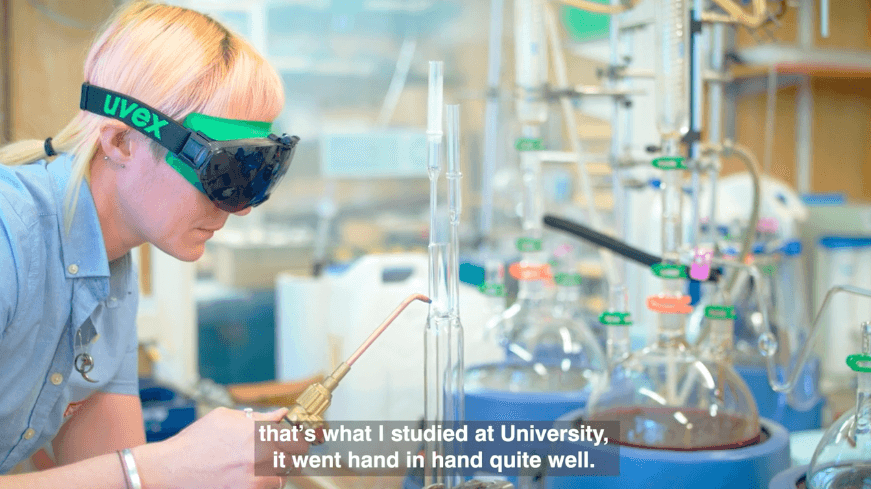
The UK is acknowledging the need to attract Women in STEM
Not only is there a need to attract young females and women to pursue STEM careers. There are even further challenges with women who have established careers in STEM areas returning to work.
A challenge that the UK Government are actively acknowledging.
Understanding many women have the ambition to fulfil a lifelong STEM career, however, are cut short with the need to care for children and elderly relatives, they have committed to a £150,000 fund4. The governments initiative launched on International Day of Women and Girls in science with the purpose of encouraging these women back into the STEM workforce.
Parents and carers in the Midlands and North of England are given the chance to transfer seamlessly back into the workplace with a variety of personalised employability support, training, and opportunities. Alongside this, STEM employers are to be provided returner hiring and inclusive recruitment training for a completely supportive transition back into Science, Technology, Engineering, and Manufacturing employment.
How do we further break down the barriers for Women in STEM?
As we discuss the topic of Equity this International Women’s Day, there is certainly a requirement to amplify more stories from women in STEM.
With a traditionally male dominant workforce it steers away from being perceived as an inclusive career choice. Despite the conscious efforts of organisations everywhere to become more inclusive through programmes and campaigns.
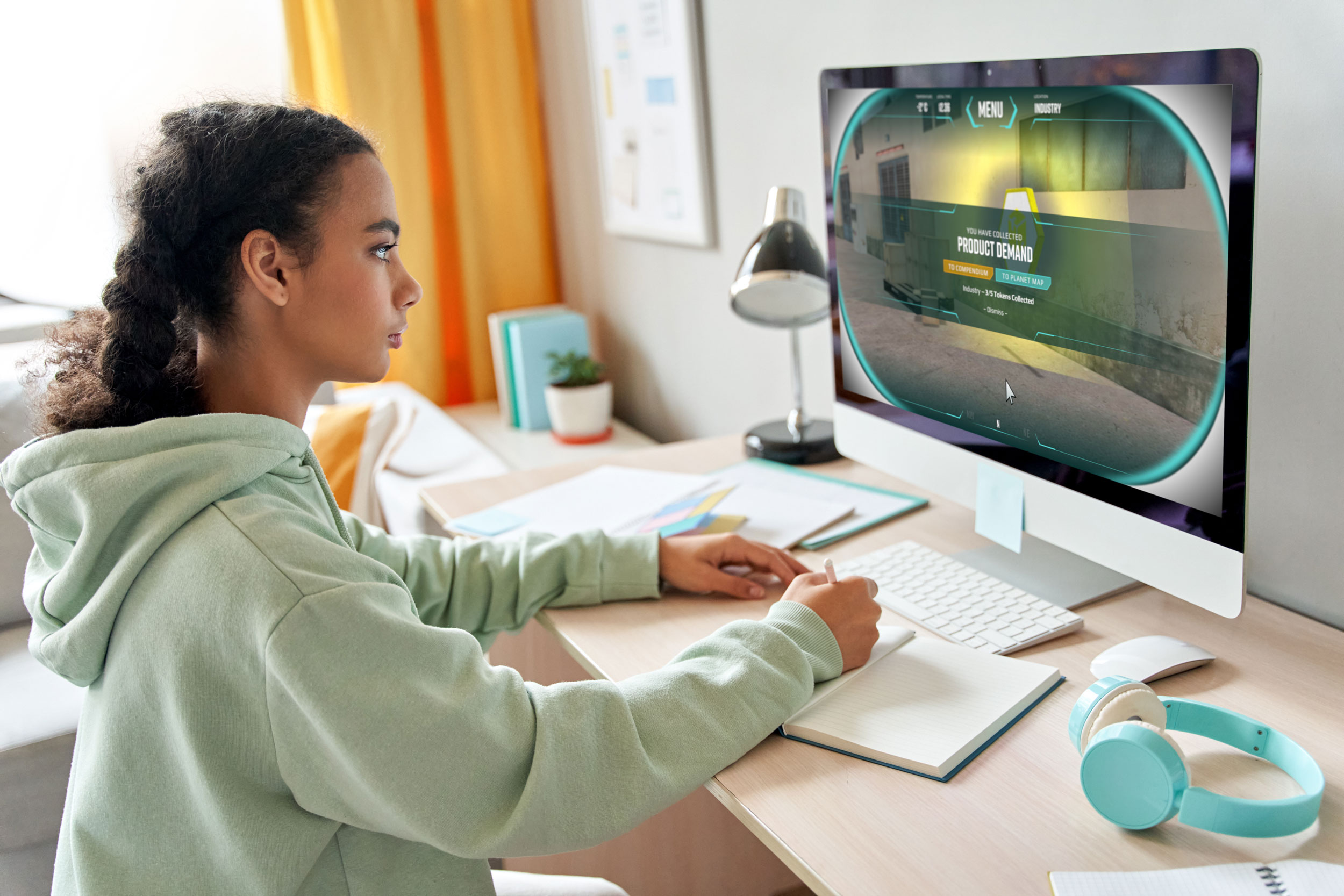
How can your organisation attract and retain the best women in STEM?
Encouraging a passion for STEM from an early age could be the key to choosing these routes later in life. A unique vision of the experiences ahead can help inspire the next generation of engineers, coders, and manufacturing experts.
Companies have began to leverage this idea, with those such as engineering pioneer Siemens choosing to invest in their Infinity STARship program. STEM comes to life for young women and men through interactive learning tools, videos and quizzes, and within a completely immersive environment.
Bridging the gap between women and men in STEM is a long journey.
However, statistics show there is a positive change. Continuing the drive for a greater shift in the industry will require a modern, relatable, and engaging view from the perspective of those women within it.
If you’d like to learn more, contact our social impact team today. Let’s talk about how you can engage more young people to take up STEM subjects to build a more diverse future for STEM related industry.
References
1 EngineeringUK (2023) 115,000 more girls need to study maths or physics A levels to bridge gender gap in higher education. Available at: https://www.engineeringuk.com/news-views/115-000-more-girls-need-to-study-maths-or-physics-a-levels-to-bridge-gender-gap-in-higher-education/ (Accessed: March 08, 2023).
2 Women In STEM (2021) Girls regularly out-perform boys in STEM subjects. Available at: https://www.womeninstem.co.uk/breaking-stereotypes/girls-regularly-out-perform-boys-in-stem-subjects/ (Accessed: March 08, 2023).
3 Independant (2023) How to support your daughter’s interest in STEM, as research reveals huge gender gap. https://www.independent.co.uk/life-style/health-and-families/stem-alevels-construction-alevel-lego-b2281993.html (Accessed: March 08, 2023).
4 GOV.UK (2023) More women to be supported back into STEM jobs in Government-backed training. https://www.gov.uk/government/news/more-women-to-be-supported-back-into-stem-jobs-in-government-backed-training (Accessed: March 08, 2023).
Share this